
Global buyers entering the 2026 market need more than attractive catalog images. They need dependable Eggshell Sticker suppliers with proven production control, clear communication, and export experience. These labels should break apart cleanly when removed, leaving visible evidence of tampering on cartons, devices, certificates, or branded packaging. Small details matter. Adhesive strength, surface compatibility, print clarity, liner quality, and storage conditions can affect performance.
This guide examines suppliers through practical sourcing criteria rather than promotional claims. It considers factory capability, material consistency, custom shapes, color accuracy, barcode readability, sample approval, and quality inspection records. Reliable suppliers should explain their adhesive options and provide measurable specifications. They should also confirm lead times, packaging methods, minimum order quantities, and replacement policies before production begins. A supplier that answers slowly may create larger problems later.
Real purchasing experience is rarely perfect. Samples can perform well while a larger batch reveals uneven cutting or weak adhesion. That possibility deserves attention. Buyers should test stickers on their actual surfaces, including textured boxes, coated metal, plastic, and temperature-sensitive packaging. Independent verification remains valuable, especially for international orders. This overview is designed to help procurement teams compare suppliers with greater confidence in 2026. It does not replace technical testing or contract review. A careful decision may take longer, but it reduces waste, disputes, and failed deliveries. Reliability is earned through evidence, not promises.
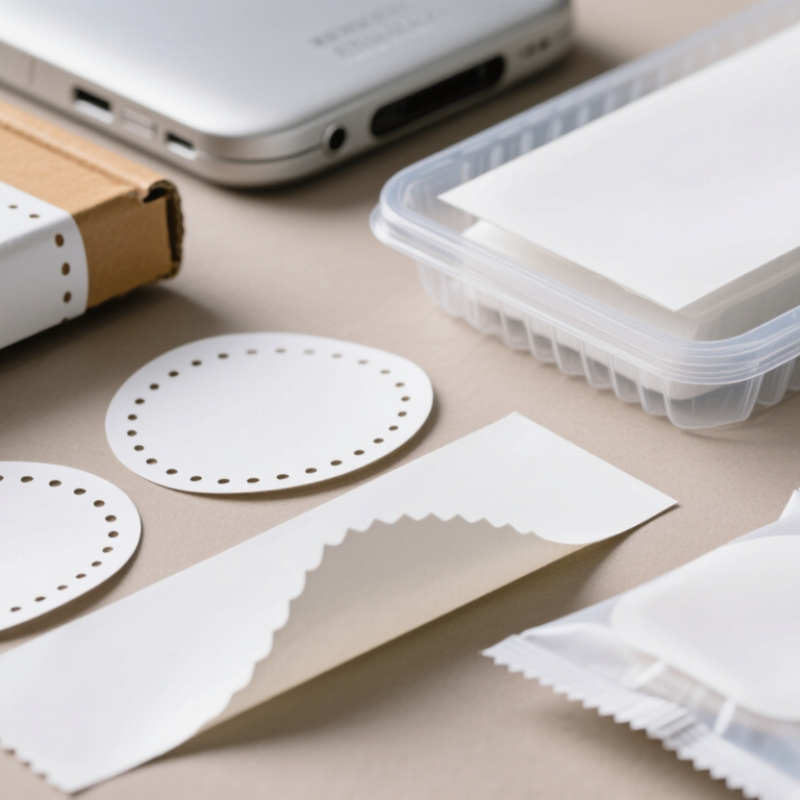
Eggshell stickers are thin, destructible labels made from brittle vinyl. They cling to surfaces such as laptop cases, equipment panels, cartons, and access tags. When someone tries to peel one away, the material breaks into small fragments instead of lifting cleanly. That visible damage can show that a seal may have been disturbed. It is a warning, not proof of who opened an item.
Their value depends on the surface and the job. A clean, dry, smooth panel usually gives better adhesion than dusty plastic or textured paint. Teams may print a serial number or QR code on each sticker, then record it during inspection or handover. Keep the code readable, and avoid placing the label across a removable seam unless that is the intended check. Small details matter.
The OECD and EUIPO estimated that counterfeit and pirated goods represented up to 3.3% of world trade in 2016. This figure concerns counterfeit trade, not sticker performance, but it helps explain why visible product checks matter. Eggshell labels can support basic tamper evidence and asset identification; they cannot establish authenticity on their own. Test samples on the actual material and in expected temperature and moisture conditions. A sticker that tears beautifully in a lab may behave differently on a cold, oily machine. That part is easy to overlook.

Evaluating eggshell sticker suppliers in 2026 requires more than comparing prices. Request physical samples with different finishes, adhesives, and liner materials. Test them on glass, coated metal, and textured plastic. Check whether the sticker tears cleanly without leaving heavy residue. Record results after exposure to heat, moisture, and sunlight.
Ask for clear technical data, including adhesive type, thickness, printing tolerance, storage conditions, and expected shelf life. Reliable suppliers should explain their quality process and provide recent inspection records. Confirm production capacity, minimum order quantities, lead times, and packaging details. A polished website proves little. Consistent samples and transparent communication matter more.
Tips: Order a small trial batch before signing a large contract. Inspect ten stickers from different cartons, not just one sample. Ask how rejected units are handled. I would also verify test reports independently when possible. Some suppliers may offer impressive specifications but provide weak evidence. That gap deserves attention. Keep written records of every promise, because memory becomes unreliable during urgent orders.
For global buyers, the best eggshell sticker supplier is not simply the one offering the lowest price. Ask how the material behaves on your actual surface. A brittle film should break into small pieces when removed, yet still feed cleanly through printing and cutting equipment. Request samples on metal, plastic, or coated packaging before approving a large run. Check adhesive strength, film thickness, print durability, and whether the supplier can control color and cut placement between batches.
Customization matters at the production line. Buyers may need custom shapes, serial numbering, QR codes, or variable artwork, so confirm which options are handled in-house and which add lead time. Grand View Research estimated the global labels market at USD 49.9 billion in 2023, with projected growth through 2030. That broad market figure is not specific to eggshell stickers, but it signals sustained demand for label materials and converting capacity. Ask suppliers for documented inspection criteria, sample approval steps, and realistic production tolerances. A perfect sample can hide uneven batch control.
Tips: Send artwork and surface details early. Request a small pilot run, then test removal after the sticker has cured on the intended surface. Keep one sample from each approved batch. It is easy to overlook storage conditions, and that can make adhesive performance less predictable.
| Supplier Capability to Compare | Manufacturing or Customization Options | What Buyers Should Confirm | Why It Matters |
|---|---|---|---|
| Eggshell face stock | Destructible paper designed to fragment when removal is attempted; available in different thicknesses and surface finishes. | Request the face-stock specification, sample labels, and a description of how the material behaves on the intended surface. | Material construction affects how the label tears and whether it suits the product and application conditions. |
| Adhesive selection | Pressure-sensitive adhesive options can be selected for different substrates and service conditions. | Test adhesion on the actual substrate, including its coating, texture, cleanliness, and any low-surface-energy characteristics. | Adhesion depends on the label, substrate, application method, and environment; a sample test is more reliable than a general claim. |
| Printing process | Digital, flexographic, or other suitable printing methods may be offered, depending on order size and artwork. | Check print legibility, color expectations, variable-data capability, and whether the chosen process suits the quantity. | Print method can affect setup requirements, cost structure, turnaround, and the ability to personalize labels. |
| Artwork and security details | Custom shapes, serial numbers, QR codes, barcodes, warning text, and other printed details may be available. | Confirm artwork tolerances, code readability, data handling, proof approval, and whether each label can carry unique information. | Clear proofs and validated codes help reduce production errors and support product identification or tracking. |
| Shape and converting | Labels can be supplied in rolls or sheets and produced in custom sizes and die-cut shapes. | Specify dimensions, corner style, winding direction, core size, roll diameter, and application equipment requirements. | Correct converting and roll configuration help labels fit packaging workflows and dispensing equipment. |
| Protective finishes | Optional overlaminates or coatings may be available for added surface protection, subject to material compatibility. | Ask whether a finish changes print appearance, label thickness, flexibility, or intended tamper behavior. | A finish can improve resistance to handling, but its suitability should be checked against the label's security purpose. |
| Prototyping and quality control | Pre-production samples, artwork proofs, and documented inspection processes may be offered. | Ask for approval samples and the supplier's checks for dimensions, print, roll winding, and batch consistency. | Reviewing a representative sample before a production run helps identify specification mismatches early. |
| Order quantities and lead time | Minimum order quantities and production schedules vary by supplier, material, printing process, and customization level. | Request a written quotation covering quantity breaks, setup charges, sample timing, production time, and reorder terms. | There is no universal minimum quantity or lead time; a detailed quote makes supplier comparisons more meaningful. |
| International shipping and documentation | Export packing and shipping arrangements can be quoted for the buyer's destination and preferred delivery method. | Confirm shipping terms, destination costs, packaging protection, commercial documents, and responsibility for import charges. | Clear shipping arrangements help buyers compare landed costs and plan delivery across borders. |
| Supplier evaluation | Compare suppliers by material transparency, sample support, customization range, communication, and production controls. | Request written specifications, sample labels, a formal quote, and relevant quality or compliance documents for the application. | Supplier suitability depends on the buyer's substrate, use conditions, order needs, and verification requirements rather than a single universal ranking. |
| Buyer note: Eggshell labels are generally designed to fragment when removal is attempted, but performance varies with material construction, adhesive, substrate, application, and environmental conditions. Validate the finished label on the intended product before placing a full order. | |||
When comparing eggshell sticker suppliers, request physical samples before judging photographs. The paper should have a fine, tactile texture, not loose flakes or rough edges. Check whether small text stays crisp after printing. Run a fingernail lightly across the surface; excessive shedding is a warning. A neat sample can still mislead. Test the adhesive on the surface you actually plan to label, such as glass, coated cartons, or paper packaging. Leave it in place overnight, then check for lifted corners, residue, and color changes. Ask suppliers for specifications on paper weight, adhesive type, liner, and available sheet or roll formats.
Compare quotes using the same order quantity and packaging details. A low unit price may exclude tooling, packing, freight, or setup charges. Request a written breakdown and confirm whether prices change at different quantities. Minimum order requirements vary by material, size, and custom printing, so ask whether a smaller pilot run is possible. It may cost more per sticker, but it can reveal print or adhesion issues before a larger commitment. Ask for production lead time and the process for handling defective batches. These details matter. Supplier claims are useful, but your own sample test is more reliable. Keep notes on sample date, storage conditions, and test surface; otherwise, comparisons become less certain than they look.
Eggshell stickers can look similar in a product photo, yet differ in thickness, adhesive strength, and surface finish. Ask suppliers for samples made with the same material and printing process as the planned order. Check whether the matte surface shows fingerprints, whether fine lines stay sharp, and whether the sticker lifts at the corners after application. Test it on the actual packaging surface, not only on paper. Small details matter.
Confirm dimensions, roll direction, core size, and packaging before approving production. Request a written specification and a pre-production proof with colors checked under neutral light. If the sticker needs to withstand handling or storage, ask for practical test results rather than broad claims. Test a few units yourself. Results may vary with surface texture and temperature, so leave room for real-world checks.
Lead time should include proof approval, production, and shipping—not just manufacturing days. Clarify how defects are recorded and what remedy applies if delivered goods differ from the approved sample. A low quote can exclude useful checks. I have seen specifications look complete while leaving the adhesive type vague; that is worth questioning before payment.