The Best 10 Apparel Size Labels You Need for Your Clothing Line?
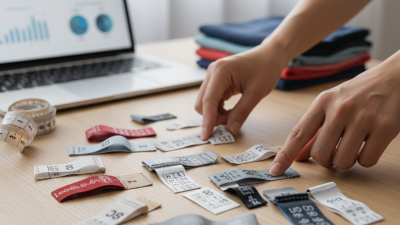
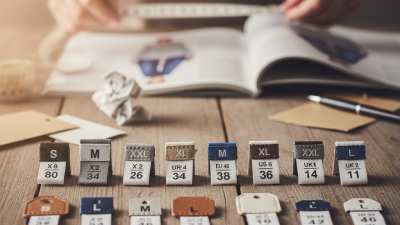
In the fashion industry, **Apparel Size Labels** play a crucial role in defining customer satisfaction and product quality. Choosing the right size labels is essential for any clothing line. They guide customers in selecting the perfect fit and enhance the overall shopping experience. With varied sizes, styles, and materials, it can be overwhelming to pick the best options.
These labels not only provide important size information but also convey brand identity. A well-designed label can boost brand recognition and trust. However, many brands overlook the significance of these details. Testing different materials and designs can help determine what resonates best with your target audience.
As we prepare for upcoming events like the 2026 Canton Fair, the spotlight on textile and apparel underscores the need for effective size labeling. Advances in technology, such as AI, can transform how we approach this challenge. By streamlining supplier searches and improving navigation at trade shows, businesses can find the right labels to enhance their collections. Prioritizing Apparel Size Labels must be a continuous journey of exploration and adaptation.
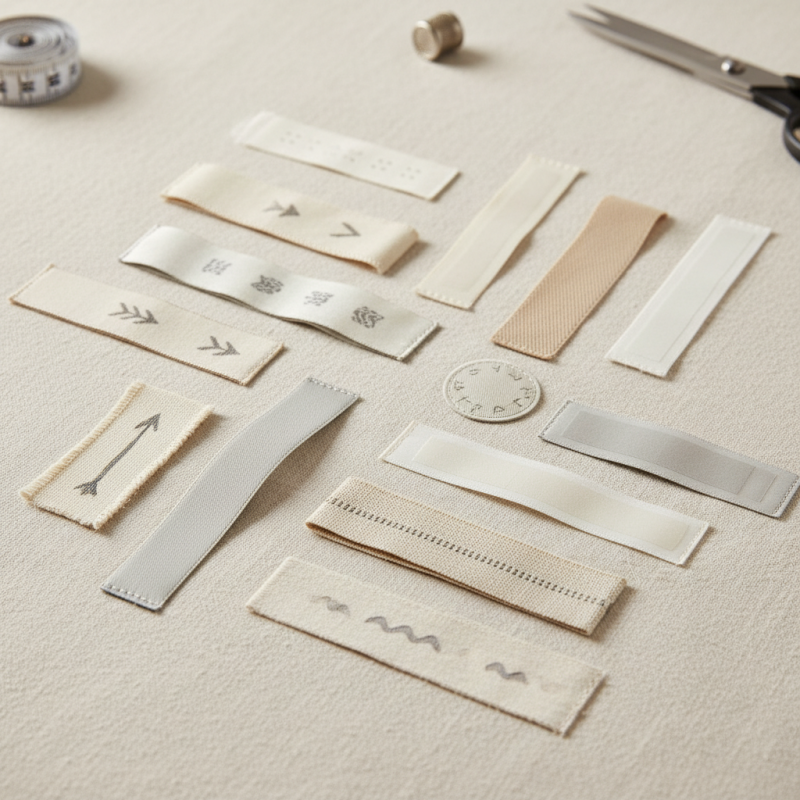
Understanding the Importance of Apparel Size Labels in Fashion
Apparel size labels play a crucial role in the fashion industry. According to a report from the National Retail Federation, 70% of consumers expect their clothing purchases to fit as described. Accurate labeling is not just a convenience; it affects sales directly. Poor sizing can lead to higher return rates, costing retailers up to $634 billion annually. That’s a staggering figure when poor fitting leads to unhappy customers.
Many brands struggle with sizing consistency, particularly across different collections. For example, research shows that 60% of shoppers have returned clothing due to mismatched sizes. These returns create not only financial loss but also affect brand loyalty. Labels should clearly convey the size and fit. Incorporating details like body measurements can reduce confusion. This transparency helps consumers make better choices.
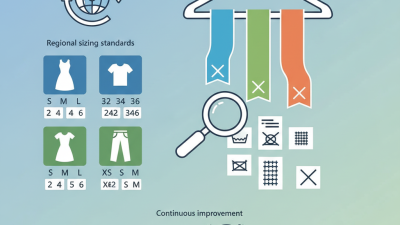
In addition, the impact of cultural differences in sizing cannot be overlooked. Different regions interpret size labels differently. A size medium in one country could mean large in another. Brands must reflect on how these variations influence customer experiences. Recognizing the importance of clear and accurate labeling can lead to a stronger connection with customers.
Types of Apparel Size Labels: A Comprehensive Overview
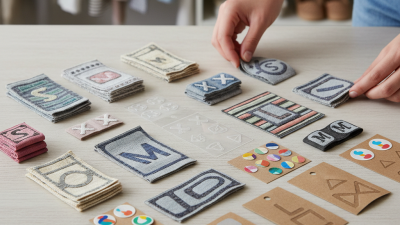
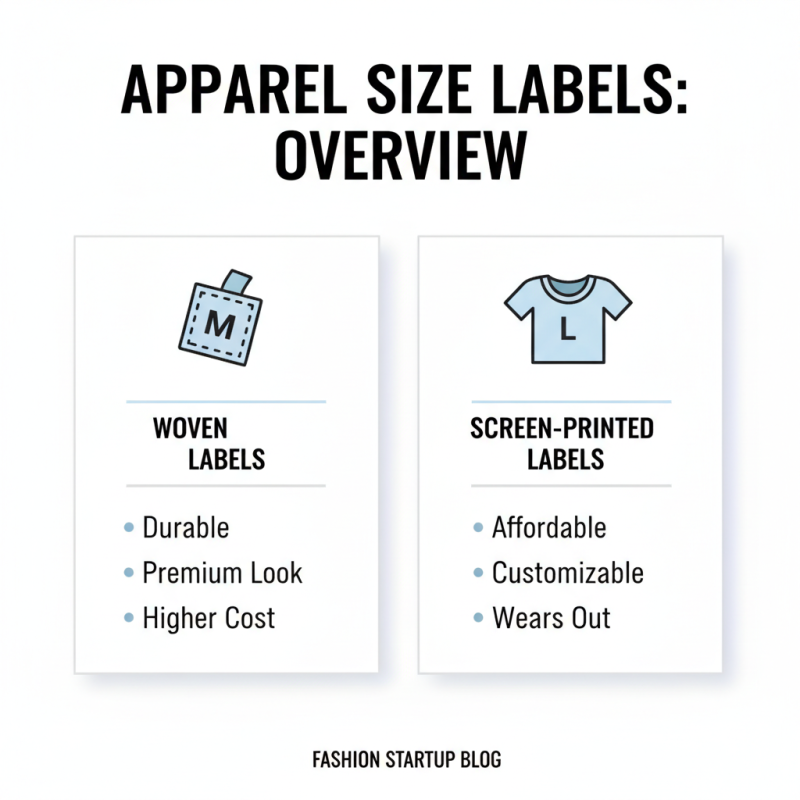
When launching a clothing line, the choice of apparel size labels is crucial. There are several types available, each serving different purposes. Woven labels are durable and often found in high-quality garments. They provide a polished look but can be costly. Screen-printed labels are another option. They are affordable and can be customized easily, but they may wear out faster.
Hang tags are often overlooked yet essential. They provide space for additional information, such as care instructions. However, they can be cumbersome if not designed well. Stickers are an interesting choice too. Lightweight and inexpensive, they can be easily attached. But, they may lack a professional feel. Brands should consider the trade-offs.
Choosing the right size labels can be challenging. The market is vast and options may seem overwhelming. Reflect on the brand's identity when making a decision. Think about the target audience's perception. A label that feels cheap could harm the brand image. Balance quality and cost effectively. Every detail counts in creating a memorable product.
Choosing the Right Size Labels for Different Clothing Types
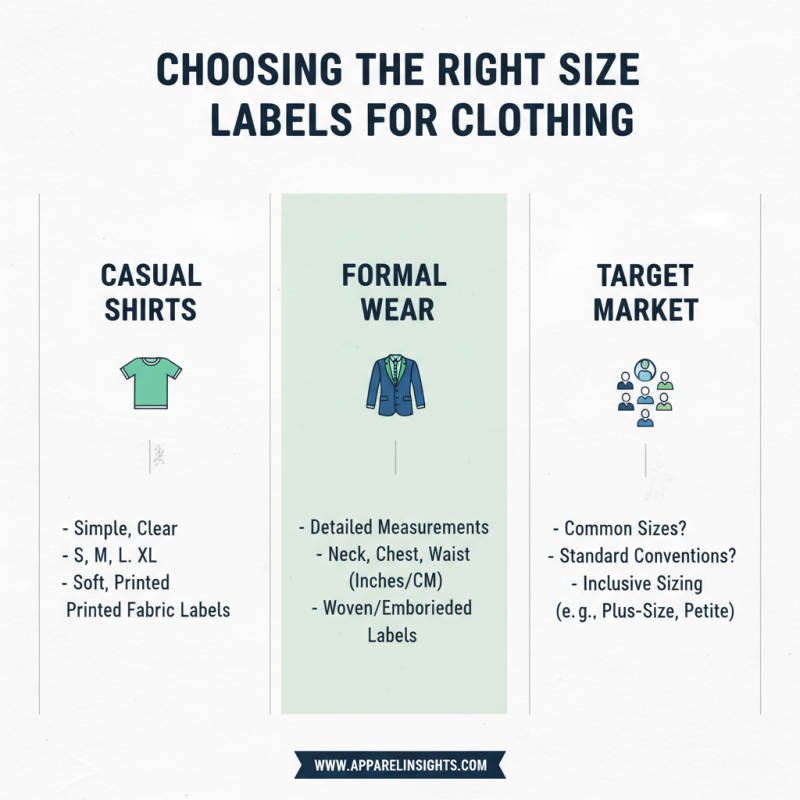
When it comes to apparel size labels, choosing the right type can make a significant difference. Different clothing styles require different label specifications. For instance, casual shirts might benefit from simple, clear labels. On the other hand, formalwear requires more detailed measurements. It's crucial to consider the target market. What sizes are most common? Are your customers familiar with standard size conventions?
Children's clothing labels present another challenge. They often require different size indicators due to rapid growth. In this case, using age ranges can help guide parents. However, it's important to also include weight and height for accuracy. This addition may seem unnecessary, but it can save time for both retailers and customers.
Furthermore, remember to assess the printing materials. Labels should withstand washing and wear. However, not all fabrics react the same way. Some labels may fade or peel after several washes. Testing your labels thoroughly can reveal unexpected issues. Feedback is essential. It provides insight into how customers perceive size labels. Ignoring this step could lead to confusion and dissatisfaction.
Design and Aesthetics: Customizing Size Labels for Your Brand
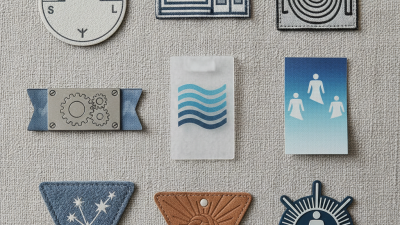
Creating custom size labels is essential for any clothing line. These labels reflect the identity of your brand. They should be aesthetically pleasing and functional. Size labels are more than just measurements. They tell a story about your brand's ethos and commitment to quality.
When designing these labels, consider various elements. Colors, fonts, and materials play crucial roles in how customers perceive your brand. An attractive label can catch a buyer's attention instantly. However, it’s important not to overcomplicate the design. Simplicity can often speak volumes. The label must be clear and legible. If it’s too intricate, it may lose clarity.
Think about the emotions you want to evoke. For some, a vibrant label might suggest energy and youth. For others, muted tones could convey elegance and sophistication. Reflecting your brand's style is key, yet it’s easy to overlook this aspect. Rethink your designs and ask for feedback. Sometimes, what seems perfect may not resonate with your target audience. Balancing aesthetics and functionality is challenging but rewarding.
Legal Considerations and Standards for Apparel Size Labels
When creating an apparel line, understanding the legal aspects of size labeling is crucial. Each country has its own standards. Accurate sizing helps consumers feel confident in their purchases. Misleading size labels can lead to legal claims. Businesses must ensure their labels are compliant.
Tips: Always check local regulations before printing labels. This helps avoid costly mistakes. Consider engaging a legal advisor to review your documentation.
Creating size labels also involves more than just compliance. Customers often face confusion with sizing charts. Clearly communicate size ranges. Include guides to help customers choose clothes.
Tips: Use visual aids like diagrams. This can enhance customer understanding. Gather feedback from consumers to improve your sizing methods. Addressing issues promptly can strengthen your brand’s reputation.