10 Best Clothing Size Labels for Easy Organization and Accurate Fit
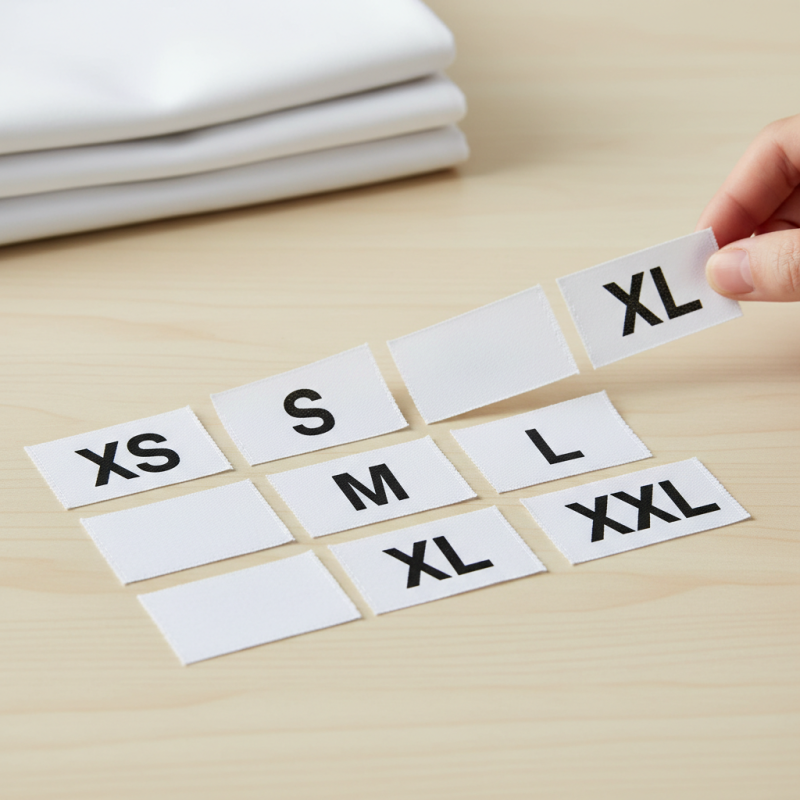
When it comes to organizing your wardrobe and ensuring a perfect fit, Clothing Size Labels play a crucial role. These handy tags not only help you track the sizes of your garments but also simplify the process of selecting outfits for various occasions. With a wide variety of clothing available, it’s easy to forget which items fit best, especially when trying to manage a busy lifestyle. Having a reliable labeling system can make all the difference in avoiding the frustration of ill-fitting clothes.
The importance of Clothing Size Labels extends beyond mere convenience; they contribute to smarter shopping habits and enhanced wardrobe management. By clearly labeling sizes, you can streamline the process of outfit selection, anticipate fit when purchasing new items, and even assist others in understanding your wardrobe. In this article, we will explore the 10 best options for Clothing Size Labels that not only offer practicality but also ensure that your fashion choices are organized and tailored to perfection. With these labels, you can transform your garment organization strategy, making your daily wardrobe decisions easier and more efficient.
Overview of Clothing Size Labels and Their Importance
Clothing size labels play a crucial role in ensuring that garments fit properly and meet the preferences of consumers. These labels not only provide essential sizing information but also contribute to the overall organization of a wardrobe. Accurate size labeling can significantly reduce the frustration associated with trying to find the right fit, ultimately enhancing the shopping experience. When garments are accurately labeled, shoppers can make more informed decisions, reducing the likelihood of returns due to sizing issues.
The importance of clothing size labels extends beyond individual consumers; they are also invaluable for retailers and manufacturers. Properly labeled clothing helps streamline inventory management, making it easier for stores to organize their stock and ensure that customers can find the appropriate sizes readily. In a competitive market, clear and consistent sizing standards are essential for maintaining customer satisfaction and loyalty. Additionally, as online shopping continues to grow, the significance of accurate size labels becomes even more pronounced, as they help bridge the gap between physical examinations of garments and remote purchasing.
Clothing Size Labels: Importance and Usage
Types of Clothing Size Labels Available on the Market
When it comes to clothing organization, selecting the right size labels plays a crucial role in ensuring a proper fit. Different types of clothing size labels are available, catering to various needs, whether for personal use, retail, or manufacturing. According to industry reports, the global market for clothing size labels is projected to grow significantly, driven by the increasing demand for organized wardrobes and enhanced consumer shopping experiences.
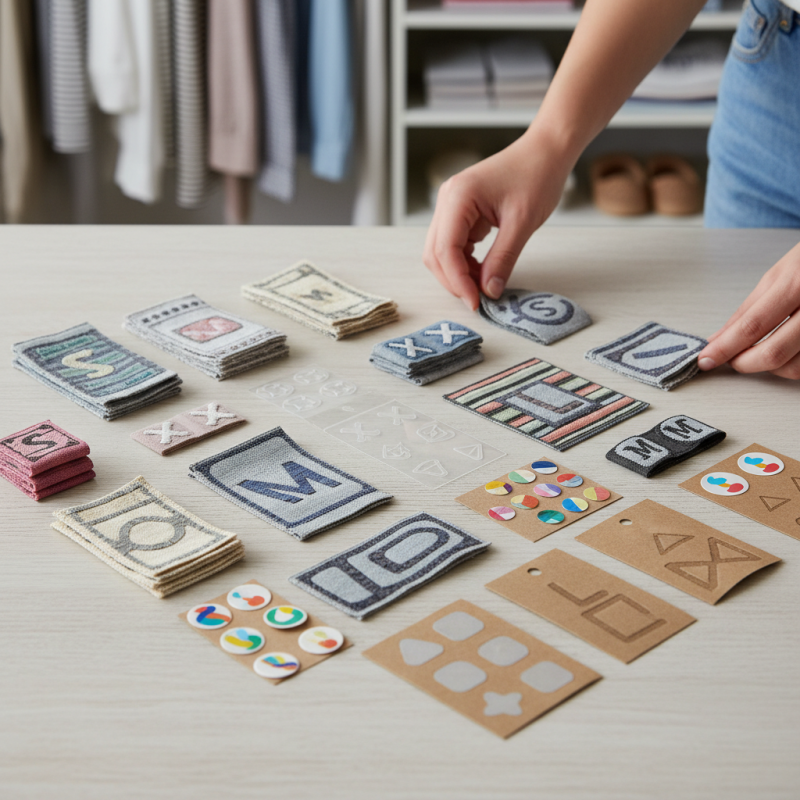
One popular type of label is the woven label, known for its durability and high-quality finish. These labels are often used in professionally made garments and provide a polished appearance that consumers appreciate. Another common type is the printed label, which is typically made from fabric or paper and offers flexibility in design. Both woven and printed labels can be customized with size, care instructions, and branding details, making them essential for any clothing line.
Data from recent market analyses suggest that around 45% of consumers prioritize clear size labeling when shopping, highlighting the importance of effective labeling strategies in clothing retail.
Furthermore, heat transfer labels have gained traction due to their ease of application and sleek look. These labels are applied directly to the garment using heat, allowing for a label-free feel which is increasingly favored in the athleisure segment. Reports indicate that the demand for flexible label solutions is on the rise, with growing preference for environmentally friendly materials, reflecting the shift towards sustainable fashion practices.
This diversity in labeling options showcases the importance of choosing the right type of clothing size label not only for organization but also for enhancing customer satisfaction and brand loyalty.
How to Choose the Right Clothing Size Labels for Your Needs
When choosing the right clothing size labels for your needs, one of the first considerations is the type of labeling system that best fits your organizational style. If you prefer a quick-reference method, labels that clearly indicate sizes in a bold, readable font can be beneficial. This approach allows for effortless sorting and ensures that everyone in the household can easily find their correct sizes without confusion. Alternatively, if you are looking for a more curated approach, personalized labels that incorporate colors or symbols can add a fun element to your organization while still conveying crucial size information.
Another important factor to consider is the durability and application of the labels. Look for labels made from materials that are resistant to wear and tear, especially if they will be exposed to washing and drying. Iron-on or sew-in labels are excellent choices for long-lasting use, while adhesive labels may be more suitable for temporary organization or lightweight items. Additionally, think about the size and visibility of the labels themselves. Larger labels might be more noticeable and serve as a clear guide, but ensure they do not overpower the garment's design. By assessing these aspects, you can select the labels that best cater to your clothing management needs while optimizing convenience and efficiency.
Tips for Organizing Your Clothing with Size Labels Effectively
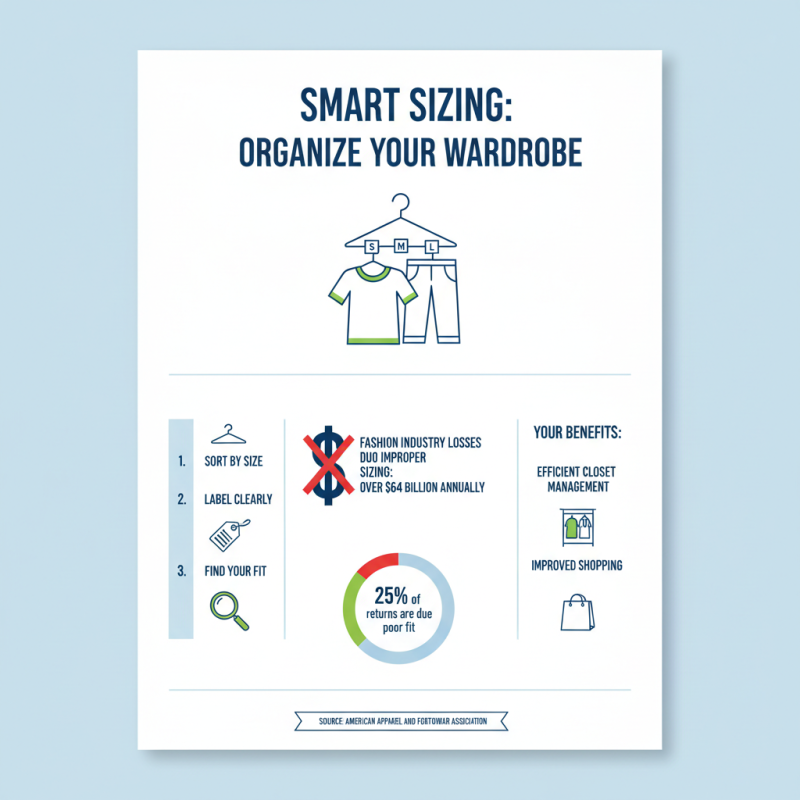
Organizing your clothing with size labels can significantly streamline your wardrobe management and ensure a more accurate fit. According to a report by the American Apparel and Footwear Association, improper sizing is one of the top reasons for returns in the fashion industry, leading to an estimated loss of over $64 billion annually. By implementing a systematic labeling strategy, you can mitigate this issue in your personal wardrobe and improve your shopping experience.
To begin with, use clear and consistent size labels for your clothing items, categorizing them by sizes such as small, medium, large, or numerical sizes. The National Retail Federation highlights that 70% of consumers prefer shopping from well-organized retail spaces, a principle that can be applied at home. Opt for color-coded labels or tags to represent different size categories—this visual aid can make it easier to identify items quickly. Additionally, consider labeling not just by size but also by season to enhance the organization further. A report from McKinsey & Company indicates that consumers who enhance their wardrobe organization see a 30% increase in the retrieval speed of their clothing, making daily dressing more efficient.
Incorporating size labels with these practices can transform your clothing storage and make it much easier to find the perfect outfit when you need it. The satisfaction derived from an organized closet not only saves time but also contributes to a more pleasant shopping experience, ensuring that each item fits well and reflects your style preferences.
Best Practices for Applying and Maintaining Clothing Size Labels
When applying clothing size labels, precision and consistency are vital for ensuring clarity and usability. Start by selecting a clean and flat surface on the garment to attach the label; this will help prevent any inadvertent wrinkles or creases that might obscure the size information. Ensure that the label is securely attached using an appropriate adhesive that can withstand washing and wearing.
It is advisable to avoid placing labels in areas where they may cause discomfort, such as along seams or other high-friction zones.
Maintaining these labels over time is equally important. Regularly check the condition of your labels, particularly after multiple washes, as fading or peeling can occur.
If you notice any degradation, consider replacing the label to maintain organization. Additionally, using waterproof and fade-resistant materials for the labels can significantly prolong their lifespan.
To further enhance readability, opt for clear and easy-to-read fonts, ensuring that the size information remains accessible for everyone who interacts with the clothing. By following these best practices, you can ensure that your clothing size labels contribute effectively to the overall organization and fit of your wardrobe.