

Leave Your Message

How to Choose Blank Sticker Rolls for Global Sourcing?

Global sourcing of Blank Sticker Rolls requires more than comparing unit prices. Buyers must examine material, adhesive, liner quality, roll dimensions, and supplier consistency. A roll that performs well in a dry warehouse may fail after sea transit. Humidity, heat, dust, and long storage can change its behavior.

Laura Chen, a packaging procurement specialist, offers a practical reminder: “A blank roll is valuable only when its material, adhesive, and winding match the final application.” This principle supports a disciplined sourcing process. Start by defining the label surface, printing method, application temperature, and expected shelf life. Then confirm face stock, adhesive type, release liner, core diameter, outside diameter, and winding direction. Small details matter. A two-millimeter width error can create waste during automatic labeling.

Reliable suppliers should provide samples, technical data sheets, production tolerances, and clear inspection records. Ask for adhesive performance under cold, humid, and dusty conditions. Check whether the supplier can maintain stable quality across repeated orders. Factory photographs help, but audited documentation is stronger evidence. Trade references can also reveal how a supplier handles complaints and delays.

The cheapest option can look attractive. It may not remain economical after rework, damaged cartons, or rejected labels. That is where judgment gets messy. Buyers should compare landed cost, not only the quoted roll price. Include freight, packaging, testing, storage, and possible replacement costs. A careful trial order is often wiser than a large commitment. Even experienced teams can overlook winding direction or core compatibility. Reviewing these points again is not inefficient; it is responsible sourcing.

How to Choose Blank Sticker Rolls for Global Sourcing?

Understanding Blank Sticker Roll Types and Their Core Features

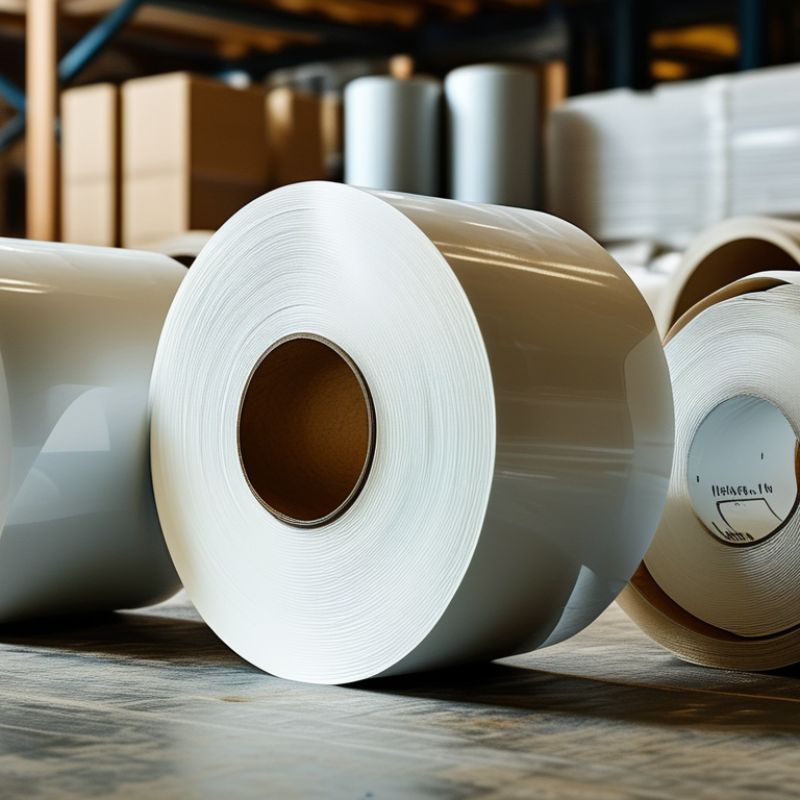
Blank sticker rolls differ in material, adhesive, liner, size, and winding direction. Paper rolls suit indoor labels, price tags, and short-term packaging. Film rolls resist moisture, abrasion, and uneven handling. Choose based on the surface, not appearance alone. Smooth glass needs different adhesion than corrugated cardboard. Test both.

The adhesive may be permanent, removable, or repositionable. Permanent adhesive supports long storage, but it can damage delicate surfaces. Removable adhesive suits temporary identification and cleaner removal.

Temperature matters too. Cold warehouses can weaken initial tack. Ask for technical data showing application temperature, service range, and aging performance.

Core diameter and roll width must match the dispenser or printer. A small mismatch can cause slipping, skewed feeding, or wasted labels.

For global sourcing, confirm roll direction, outer diameter, winding tightness, and splice limits before ordering. These details affect machine setup and transport stability. Check whether the face stock accepts thermal transfer, inkjet, or laser printing. Print a small batch and inspect barcode edges, ink adhesion, and curl after 24 hours. Specifications help, but samples reveal more. I have seen attractive rolls fail because the liner released unevenly. It was not obvious at first. Request measurable tolerances, packaging details, and storage guidance. Keep records of tests, revisions, and supplier responses for repeat purchasing.

Defining Material, Adhesive, Size, and Finish Requirements

How to Choose Blank Sticker Rolls for Global Sourcing?

When sourcing blank sticker rolls globally, define the material before discussing price. Paper suits indoor cartons, temporary labels, and dry surfaces. Polypropylene or polyester handles moisture, rubbing, and chilled storage better. Ask for basis weight, thickness, core diameter, and roll direction. These details affect printer fit and winding stability. I measure a sample roll myself whenever possible. Supplier specifications can be correct, yet packaging measurements may be rounded. That small error can stop production.

Adhesive choice should match the surface, temperature, and expected label life. Permanent adhesive works well on clean cardboard and smooth plastic. Removable adhesive helps with temporary identification, but it may leave residue in heat. For dusty, curved, or low-energy surfaces, request adhesion tests.

Test after 24 and 72 hours. Cold-room performance needs separate checking. A label that sticks at room temperature may lift overnight. This is where my earlier assumptions failed. I once approved a sample without testing condensation. The result looked neat, but cartons lost labels during handling.

Specify label width, height, gap, corner radius, and maximum outer diameter. Confirm the gap with the applicator, not just the artwork file. Choose matte for easier writing and reduced glare. Choose gloss when sharper color and wipe resistance matter. Consider ink compatibility, barcode contrast, and die-cut accuracy.

Ask for a production sample, inspection record, and retained reference roll. Tolerances should be written, not implied. Global sourcing adds variables, including humidity, transit time, and local storage conditions. Measure twice. Leave a modest tolerance rather than chase the lowest unit cost. That decision may feel inefficient. It often prevents expensive rework.

Evaluating Suppliers, Certifications, and Global Sourcing Risks

How to Choose Blank Sticker Rolls for Global Sourcing?

A reliable supplier should explain material structure, adhesive performance, and production controls clearly. Ask whether the roll uses thermal paper, coated paper, or synthetic film. Confirm core diameter, roll width, outer diameter, and winding direction before ordering samples. Small details matter.

Request recent test reports, batch records, and certificates relevant to your destination market. Depending on the application, documentation may include ISO 9001, FSC, REACH, or RoHS evidence. A certificate alone is not proof. Verify the issuing body and match documents with the actual material. Ask for evidence. Samples reveal defects.

Test several rolls in real conditions, including cold storage, humidity, dust, and different printer speeds. Check adhesive residue after application on cardboard, glass, and plastic surfaces. Record peel strength, liner release, print clarity, and edge curling. One sample batch may look excellent while later production performs differently. This is an uncomfortable risk, but it deserves attention.

Evaluate factory capacity, backup equipment, inspection frequency, and corrective-action procedures. Request a pre-shipment inspection and clear batch traceability. Discuss minimum order quantities, lead times, packaging strength, customs documents, and delivery terms in writing. Global sourcing also faces port delays, currency changes, and sudden material shortages. A low price can hide expensive disruption. I would not rely on a supplier’s website alone; an independent audit or live production review provides stronger evidence. Suppliers should also explain how they protect specifications when subcontracting any process.

Comparing Samples, Pricing, Minimum Orders, and Production Capacity

How to Choose Blank Sticker Rolls for Global Sourcing?

When sourcing blank sticker rolls, request samples before discussing large volumes. Check adhesive grip on glass, cardboard, plastic, and slightly dusty surfaces. Leave each sample for 48 hours. Then test peeling, curling, ink absorption, and roll tension. A label that looks smooth may still jam a high-speed applicator. Ask for samples from the same material batch planned for production. Otherwise, the sample can create false confidence.

Pricing needs more than a unit quotation. Compare material thickness, liner type, core size, coating, packing, and delivery terms. Request prices for several order quantities. A low factory price may become expensive after tooling, inspection, freight, and protective packaging. Ask suppliers to separate these costs clearly. This makes negotiation more reliable. I have seen buyers focus on price and overlook inconsistent roll winding. That mistake can delay an entire shipment.

Minimum order quantities should match your sales forecast and storage space. A smaller trial order may cost more per roll, but it reduces inventory risk. Confirm whether mixed sizes or materials count toward one minimum order. Production capacity also deserves direct questions. Ask for monthly output, current scheduling, lead time, and backup equipment. Request evidence such as recent production photos or a capacity statement. Be realistic. A supplier promising unlimited capacity may be overestimating its resources. Before signing, confirm quality checks, replacement handling, and communication during production.

Planning Shipping, Quality Control, and Import Compliance

How to Choose Blank Sticker Rolls for Global Sourcing?

Planning Shipping, Quality Control, and Import Compliance

Shipping conditions should shape your roll specification. UNCTAD’s Review of Maritime Transport reports that over 80% of global merchandise trade moves by sea. That means rolls may face humidity, heat, compression, and long storage periods. Request moisture-resistant packaging, strong cartons, and pallet measurements before ordering. Confirm the core diameter, outer roll diameter, winding direction, and quantity per carton. A small mismatch can stop an automated labeling line.

Quality control needs measurable checks, not attractive samples alone. Test adhesive performance on the actual surface, including curved plastic, coated paper, and dusty cartons. Inspect liner release, edge alignment, printability, and roll telescoping. Use an agreed sampling plan, such as ISO 2859-1, and record batch numbers with inspection photos. The World Bank’s 2023 Logistics Performance Index covered 139 economies and reported that only about 60% of shipments arrive within scheduled time. Delays happen. I would keep a modest safety stock, although this increases storage cost and can hide forecasting errors.

Import compliance begins before production. Ask the supplier for accurate product descriptions, material details, country-of-origin information, carton counts, weights, and dimensions. Verify the likely HS classification with a qualified customs broker because paper, film, adhesive, and printed products may receive different treatment. Check destination labeling rules, packaging requirements, and document language. Do not rely on copied invoices. One incorrect description can trigger inspection, duty disputes, or clearance delays. Recheck requirements before every shipment. Rules and tariff interpretations change.