How to Choose the Right Clothing Size Labels for Your Business?
Choosing the right clothing size labels is essential for any fashion business. It impacts customer satisfaction and brand loyalty. According to Jane Smith, a leading expert in textile labeling, “The right size label sets the tone for trust between the brand and the consumer.”
In an industry where fit is paramount, inaccurate labels can lead to unhappy customers. If labels are unclear or inconsistent, it could result in returns and damage brand reputation. It’s vital to understand the variance in sizing across different demographics and regions. For example, a size 'M' in one country could translate to a 'L' in another.
Every detail counts when selecting clothing size labels. Consider durability and legibility. Labels need to withstand washing and wearing. Reflect on how visuals and text communicate size effectively. Do they create confusion or clarity? The right choice balances aesthetic appeal with functionality, ensuring your clothing line stands out.
Understanding the Importance of Clothing Size Labels for Branding
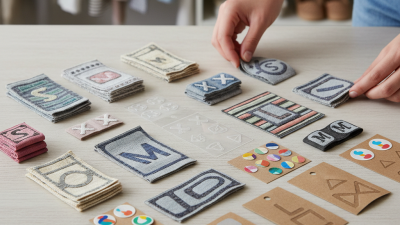
Clothing size labels are not just functional; they hold significant branding potential. A well-designed label provides essential information while also reflecting the brand's personality. This small detail can influence customer loyalty and perception. Size labels should resonate with the target audience, whether it's modern, vintage, or eco-friendly. Choosing the right font, color, and material can enhance brand identity.
The reliability of size labels is paramount. Misleading labels can frustrate customers and damage trust. Incorrect sizing leads to returns, affecting profitability and brand reputation. Thoughtfully researched size charts should accompany the labels to ensure accuracy. Brands should consider conducting regular reviews to adapt to customer feedback and sizing trends.
Incorporating unique details, like a brand story or care instructions, adds depth. However, it’s crucial not to overcomplicate the design. An overly intricate label may confuse customers. Simplicity often allows for clearer communication. Regularly revisiting size label strategies can foster growth, as preferences evolve. Balancing aesthetics with functionality can be challenging, yet it’s necessary for long-term success.
Identifying Different Types of Clothing Size Labels Available
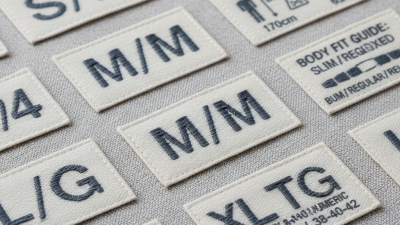
When selecting clothing size labels, it's essential to recognize the various types available. Common labels include woven, printed, and heat transfer options. According to the Apparel Size Guide by the American Apparel and Footwear Association, 70% of consumers cite correct sizing as crucial for return rates. Brands must pay attention to quality and functionality.
Woven labels are durable and often used for branding. They look professional and can withstand washing. In contrast, printed labels are cost-effective and versatile. However, they might fade over time. Heat transfer labels provide a smooth and comfortable feel but may peel under certain conditions, such as prolonged washing. Finding the right balance among these options is vital for establishing brand reliability.
Another trend in clothing labels is the focus on sustainability. Eco-friendly options are gaining traction. Research shows that 35% of consumers prefer sustainable brands. Still, many businesses grapple with the cost and sourcing of these materials. It's worthwhile to ponder the environmental impact alongside customer preferences while selecting label types. Balancing these factors can enhance both brand image and customer loyalty.
Factors to Consider When Choosing Size Labels for Your Products
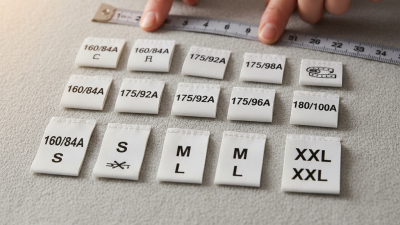
Choosing the right clothing size labels is crucial for any fashion business. Size labels can impact customer satisfaction and product returns significantly. According to a report by the Apparel Industry Association, about 30% of online returns are due to incorrect sizing. When selecting size labels, consider the demographics of your target audience. Different age groups and regions may have varying sizing standards.
Material is another critical consideration. Labels made from durable fabrics can withstand washing and wearing, while paper labels may wear out quickly. Studies show that fabric labels are often preferred for comfort. Furthermore, the size label's visibility on the garment influences consumer perception. A label that's easy to read enhances user experience, making the shopping process smoother.
Customization is another factor. Custom labels can reflect your brand's personality and values. However, this could lead to complexities in inventory management. Balancing customization with practicality is vital. Many businesses underestimate the importance of accurate sizing. Missteps here can lead to negative reviews, affecting brand reputation. Adjustments may be necessary based on customer feedback, so remain open to making changes.
Factors Influencing Clothing Size Label Choices
The chart below illustrates key factors businesses consider when choosing clothing size labels, including customer feedback, geographic sizing standards, fabric type, and production costs.
Synergy Between Size Labels and Customer Satisfaction Levels
When it comes to clothing size labels, they play a crucial role in customer satisfaction. The right size label can make or break a purchase decision. Customers feel confident when they find accurate sizing information. Inaccurate labels can lead to returns, which frustrates both the customer and the retailer.
Tips: Always test your size labels. Gathering real customer feedback on sizing can provide insight. You might discover that common sizes feel off to your customers. This can lead to missed sales and unhappy shoppers.
Consider the material of your size labels too. Labels should be durable yet comfortable. A scratchy label can detract from the overall experience. Make sure the size label design is clear and easy to read. It should communicate sizing effectively without confusion.
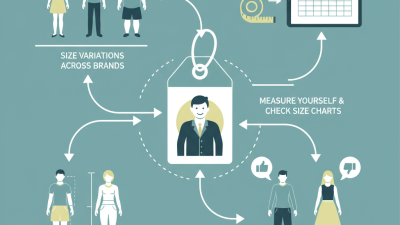
When informing customers, be transparent about your sizing system. Sometimes, what is labeled as a medium in one store might be a large in another. Encouraging customers to refer to a size guide can improve satisfaction. Notifications about product fit can also help manage their expectations. This way, you’re minimizing potential disappointment. Aim for a seamless shopping experience through thoughtful labeling.
Regulations and Standards for Clothing Size Labels in Your Market
When navigating the clothing industry, understanding regulations and standards for size labels is essential. Different markets have unique requirements. For example, the EU mandates standard sizing measurements to ensure consumer clarity. According to a recent survey, 68% of consumers report that accurate sizing labels influence their purchasing decisions.
In the United States, the Federal Trade Commission (FTC) has guidelines for clothing labels, including size markings. Compliance can reduce return rates significantly. Reports show that around 30% of online returns are due to size discrepancies. Retailers must ensure labels are legible and standardized. However, with the variety of sizing systems, confusion can arise, leading to consumer frustration.
It’s crucial to evaluate local regulations. In Asia, some countries have adopted ISO standards for sizing. Ignoring these guidelines can hamper market entry. Brands may underestimate the impact of improper labeling. To foster trust and credibility, businesses need to prioritize accurate and consistent size labeling. While it may seem straightforward, this vital aspect often goes overlooked.
How to Choose the Right Clothing Size Labels for Your Business? - Regulations and Standards for Clothing Size Labels in Your Market
| Size Type |
Dimensions (inches) |
Fit Type |
Target Market |
| Small (S) |
34-36 |
Slim Fit |
Youth/Adults |
| Medium (M) |
38-40 |
Regular Fit |
Adults |
| Large (L) |
42-44 |
Loose Fit |
Adults |
| Extra Large (XL) |
46-48 |
Relaxed Fit |
Adults |
| Plus Size (2XL) |
50-52 |
Comfort Fit |
Adults |