10 Essential Tips for Choosing the Right Blank Label Rolls
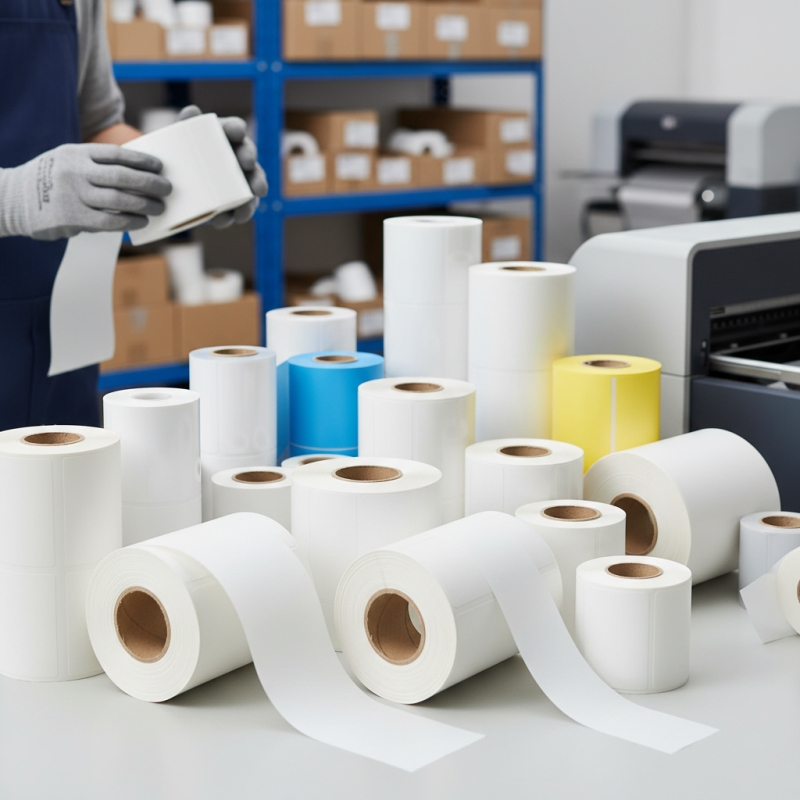
When choosing the right Blank Label Rolls, attention to detail is crucial. Industry expert John Smith once noted, "The right label can make all the difference." This emphasizes the importance of selecting high-quality blank labels for your business needs.
Blank Label Rolls come in various sizes, materials, and adhesives. Each choice affects how well they serve your purpose. For example, a roll that fits your printer but is made of low-quality material can lead to frustration. It's not uncommon for businesses to overlook these factors. The consequences can be costly, both in time and resources.
Moreover, understanding your specific labeling requirements is essential. Without this knowledge, you may end up with rolls that do not meet your expectations. This can result in wasted labels and lost productivity. Reflecting on your choices can guide you to better decisions. Pay close attention to the details that are often ignored.
Understanding Your Labeling Needs and Requirements
Choosing the right blank label rolls begins with understanding your specific labeling needs. Think about the type of products you are labeling. Are they small, medium, or large? The size of your labels should match the product dimensions. If you have varying sizes, you may need different label rolls. This can complicate your storage and labeling process.
Consider the materials you need as well. Some labels are for indoor use, while others are more durable for outdoor conditions. Can the labels withstand moisture or temperature changes? You might find yourself frustrated if the labels peel or fade too quickly. Reflect on where and how you will use them. This will guide your choice of materials effectively.
Additionally, think about your printing technology. Not all labels are compatible with every printer. Some may require special ink or adhesive properties. It’s easy to overlook these details, but doing so might lead to wasted time and resources. Keep in mind, selecting the wrong labels can disrupt your workflow. Do you have a plan in place for testing before bulk orders? That could save you a lot of hassle later.
Evaluating Different Types of Blank Label Materials
When selecting blank label materials, understanding the options available is crucial. Common materials include paper, polyester, and vinyl. Each serves different purposes and environments. For example, paper labels often work for indoor use. However, they may not withstand moisture and harsh conditions. Polyester offers durability for prolonged outdoor exposure. That can be vital for shipping labels.
Tips: Consider your environment. If labels face moisture, choose water-resistant materials. Vinyl works well for long-lasting labels.
Some reports suggest that up to 50% of labeling errors stem from incorrect material choices. This statistic highlights the necessity of making informed decisions. Users should also consider label adhesion and how it interacts with different surfaces. The right adhesive can significantly impact performance and longevity.
Tips: Test different materials on various surfaces. Check the adhesion after a week. This can reveal potential issues early on.
Choosing the right blank label materials is about balancing use case and performance. An unclear understanding can lead to wasted resources and increased costs. Therefore, careful evaluation is essential for success.
10 Essential Tips for Choosing the Right Blank Label Rolls - Evaluating Different Types of Blank Label Materials
| Label Material |
Durability |
Water Resistance |
Print Compatibility |
Best Uses |
| Paper |
Medium |
No |
Inkjet, Laser |
Product Labels, Shipping |
| Vinyl |
High |
Yes |
Inkjet, Laser |
Outdoor, Bumper Stickers |
| Polyester |
Very High |
Yes |
Inkjet, Laser |
Industrial, Electronics |
| Polypropylene |
High |
Yes |
Inkjet, Laser |
Food Labels, Bottles |
| Thermal Transfer |
Medium |
No |
Thermal Printers |
Logistics, Warehousing |
Considering Label Roll Size and Compatibility with Printers
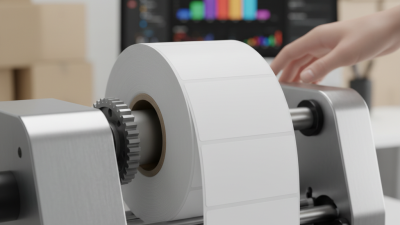
When selecting blank label rolls, size and compatibility with printers are crucial factors. A report by Avery Dennison highlights that 37% of businesses encounter issues with incorrect label dimensions. Wrong sizes can lead to wasted materials and increased costs. Many printers have specific requirements for label roll sizes. Knowing the exact specifications of your printer helps avoid mismatched labels.
Tip: Measure your printer carefully. This simple step prevents frustration when labels won’t feed correctly. Also, consider the core size and label width. A standard core size is 1 inch, but some printers might need a 3-inch core. Ensuring compatibility saves time and stress.
Another essential consideration is the material of the label. Various options are available, such as paper, synthetic, or biodegradable materials. A recent study shows that 27% of users switch to eco-friendly labels for sustainability. However, not all printers can handle these materials. It’s worth checking manufacturer guidelines.
Tip: Order small samples before committing to a large batch. This helps test both print quality and durability. In the end, choosing the right label rolls is more than just a decision—it’s a reflection of your operation’s efficiency.
Assessing Adhesive Properties for Specific Applications
When it comes to choosing blank label rolls, adhesive properties are paramount. The adhesive must match the surface it's applied to. For instance, paper labels may adhere well to cardboard, but struggle on plastic surfaces. A report by the Pressure Sensitive Tape Council (PSTC) indicates that 15% of label failures are due to incorrect adhesive selection. This highlights the need for careful assessment.
Tip: Consider the environment where the labels will be used. Will they face moisture, heat, or dirt? Each condition can impact the adhesive's performance. Many manufacturers now offer specialized adhesives for extreme conditions. This means you can find the right label for specific applications.
Also, test different samples before making a final decision. Sometimes the ideal label isn't evident at first glance. A brief trial can save resources in the long run. Remember, the right adhesive ensures durability and effectiveness, extending the label's life and improving performance.
Exploring Cost-Effectiveness and Quality of Blank Label Rolls
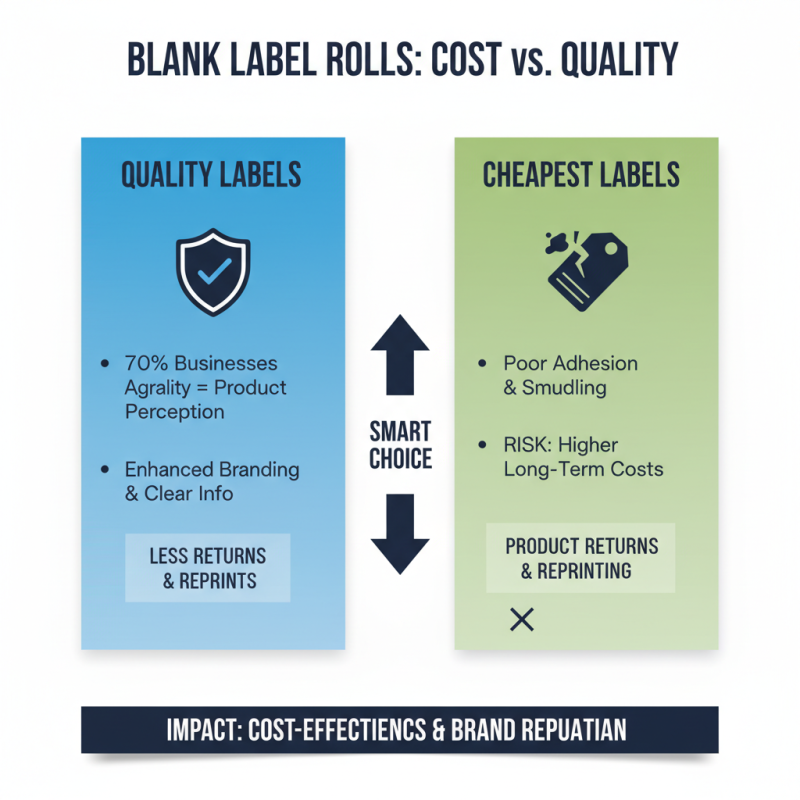
Choosing the right blank label rolls can greatly impact both cost-effectiveness and quality. In recent industry reports, approximately 70% of businesses reported that label quality directly influenced their product perception. High-quality labels can enhance branding and ensure clear communication. However, opting for the cheapest labels may result in poor adhesion or smudging. This could lead to higher costs in the long run due to product returns and reprinting.
When selecting label rolls, it's essential to consider the materials used. Eco-friendly options are gaining popularity, with a 40% increase in demand noted over the last year. Yet, many companies still overlook this trend, focusing solely on immediate cost. It's a complex balance of sustainability and budget. Additionally, the opacity of labels plays a vital role in readability. If a label is too thin, it might not convey the necessary information clearly, which can frustrate customers.
Examination of adhesive types is also critical. A strong adhesive may not always be the best choice. Some applications require easy removal, especially for temporary labels. Reports indicate that 30% of users experienced issues with residue left behind. This can tarnish a brand’s cleanliness and professionalism. Every detail counts, especially in a competitive market. Finding the right blend of cost, quality, and usability takes careful thought.