2026 How to Choose Stickers for Packaging Box Effectively?
Choosing the right stickers for packaging boxes can make a significant difference in presentation. Stickers for packaging box are not just decorative; they communicate your brand identity. A well-designed sticker can attract customers’ attention, driving sales.
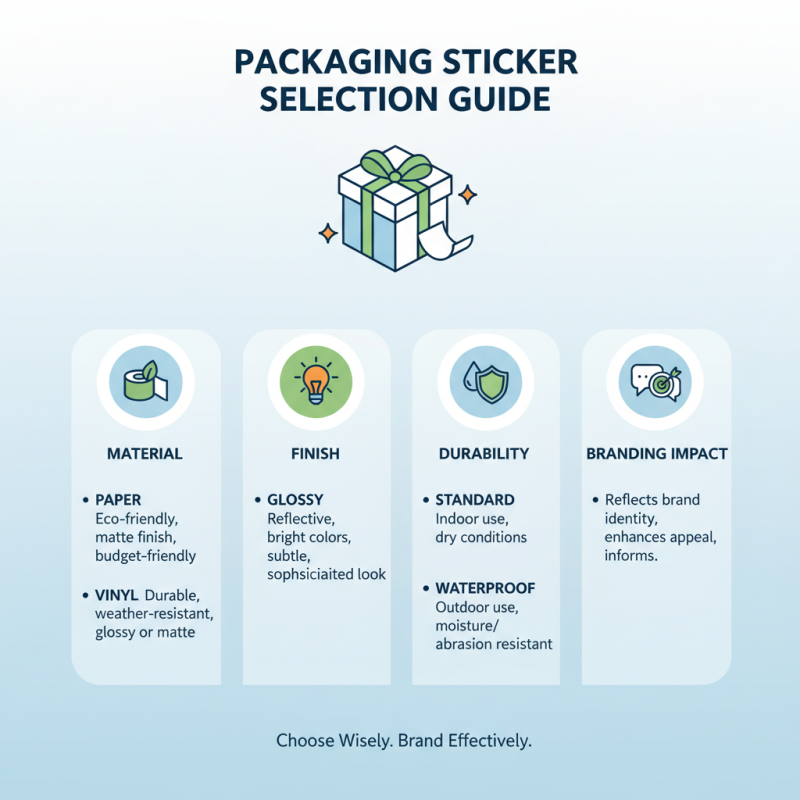
When selecting stickers, consider material and finish. Glossy stickers may enhance colors, while matte finishes offer a sophisticated touch. It's essential to reflect on what aligns with your brand image. Think about how the sticker’s design fits your overall packaging strategy. The right size is crucial too; too small might go unnoticed, while too large could overwhelm the box.
However, many people overlook the practicality of stickers. They should stick well and be easy to peel off. Customers often encounter frustrations with poorly designed stickers. Reflecting on these details can elevate your packaging. Balancing aesthetics and functionality is key to making the best choice for your business.

Understanding the Importance of Stickers in Packaging Design
Stickers play a crucial role in packaging design. They are more than just decorations; they convey information and brand identity. A well-designed sticker can capture attention instantly. It can communicate product details or evoke emotional responses. This is why choosing the right stickers is vital.
Tips: Consider color psychology. Colors can influence perceptions. Bright colors grab attention, while muted tones may convey elegance. Always think about the target audience. What appeals to them?
Stickers can make a package feel complete. However, not every sticker will fit every brand. A mismatch can send mixed messages. Stickers should reflect the brand's voice. Play around with sizes and shapes. Experimentation might lead to unexpected successes.
Tips: Test different designs before committing. Gather feedback from potential customers. Their insights can provide valuable direction. Balance creativity with clarity. If a sticker is too cluttered, its message can be lost. Clear communication is key.
2026 How to Choose Stickers for Packaging Box Effectively?
| Dimension |
Description |
Importance |
| Material |
Choose durable materials that withstand environmental factors. |
Durability ensures that the sticker remains intact during shipping and handling. |
| Size |
Select a size that fits the packaging design and enhances visibility. |
Proper sizing helps in attracting customer attention without overwhelming the package. |
| Color |
Utilize colors that align with branding and attract the target audience. |
Effective color use can boost brand recognition and emotional connection. |
| Shape |
Experiment with unique shapes that stand out from traditional sticker designs. |
Unique shapes can create a memorable impression and enhance shelf appeal. |
| Finish |
Choose between matte or glossy finishes depending on the desired aesthetic. |
Finish impacts the overall look and feel of the packaging, influencing consumer perception. |
Types of Stickers Suitable for Different Packaging Materials
When selecting stickers for packaging, the type of sticker should match the packaging material. Paper stickers are versatile and cost-effective. They work well on cardboard boxes. Their affordability is a big plus. According to a report by Smithers Pira, the global market for paper labels is expected to reach $500 billion by 2025. However, paper stickers may not withstand moisture, which is a concern for food packaging.
Vinyl stickers are another option, especially for plastic packaging. They offer durability and resistance to water. Brands often choose vinyl for shipping labels. The market for vinyl labels has shown a steady growth rate of 4.5% annually. Yet, while they perform well outdoors, their environmental impact raises questions. Are we considering eco-friendly alternatives? This is an important consideration in today's market.
Adhesive stickers must also match specific surfaces. For instance, glass requires special adhesive to ensure adherence. Some stickers peel off easily, failing to serve their purpose. A study indicated that 30% of stickers used in packaging fail to remain intact. This statistic highlights a need for proper material alignment. Not every sticker suits every package, and this oversight can lead to wasted resources. The choice of sticker should be deliberate and thoughtful, focusing on functionality and aesthetic appeal.
2026 How to Choose Stickers for Packaging Box Effectively?
Design Elements to Enhance Sticker Effectiveness on Packaging
When designing stickers for packaging, focus on key elements.
Shapes and sizes matter.
Round stickers can create a friendly feel.
Square ones may exude professionalism. Think about how these shapes will fit on your packaging.
Will they stand out or blend in? Finding the right balance is crucial.
Colors are essential too. Bright colors attract attention, while
muted tones can convey sophistication. However, too many colors can overwhelm.
Stick to two or three main colors
to maintain clarity. It’s easy to lose sight of your core message in a vibrant mix.
Typography plays a vital role.
Fonts should be legible, even at a distance.
A stylish font can add personality. But if it’s hard to read, your message gets lost.
Reflect on these design choices—are they enhancing the sticker’s purpose or complicating it?
Sometimes, less really is more.
Tips for Sourcing Quality Stickers for Your Packaging Needs
When sourcing quality stickers for packaging, it's essential to focus on several key aspects. The right stickers can elevate the appearance of your boxes. They can create a connection between your brand and customers.
Tip 1: Consider material. Stickers can be made from vinyl, paper, or eco-friendly options. Each material offers different durability and aesthetics. Think about how the stickers will be used and how they will hold up in various conditions.
Tip 2: Pay attention to adhesive strength. A sticker that peels off too easily won't serve its purpose. Test different adhesives to ensure they stay put on your packaging. This requires some trial and error, and what works for one situation may not work for another.
Tip 3: Design matters. A simple design can sometimes be the most effective. Bold colors and clear text attract attention. However, striking the right balance is tricky. Too much detail may confuse your message.
Quality stickers enhance your packaging but choosing the right one takes effort. Don’t overlook the process. It requires an eye for detail and some patience.