Top 10 Apparel Size Labels Buyers Must Know in China?
Navigating the apparel market in China can be challenging for both buyers and sellers. One crucial element that often goes overlooked is the significance of Apparel Size Labels. These labels ensure that consumers can easily find garments that fit them properly. Misunderstandings in sizing can lead to high return rates and dissatisfied customers.
Understanding the top 10 Apparel Size Labels is essential for anyone involved in the apparel industry in China. Knowledge of local standards and practices will enhance your credibility as a buyer. Many foreign brands face difficulties due to misconceptions about size translations. This knowledge gap can impact sales and brand reputation.
Moreover, the diversity in body types within China adds complexity to size labeling. Buyers must stay informed about regional variations and cultural norms. Gap analysis in size labels shows that not all brands align with consumer expectations. Investing time in understanding these labels can lead to a more efficient sourcing experience and increased customer satisfaction.
Understanding China’s Apparel Size Labeling System
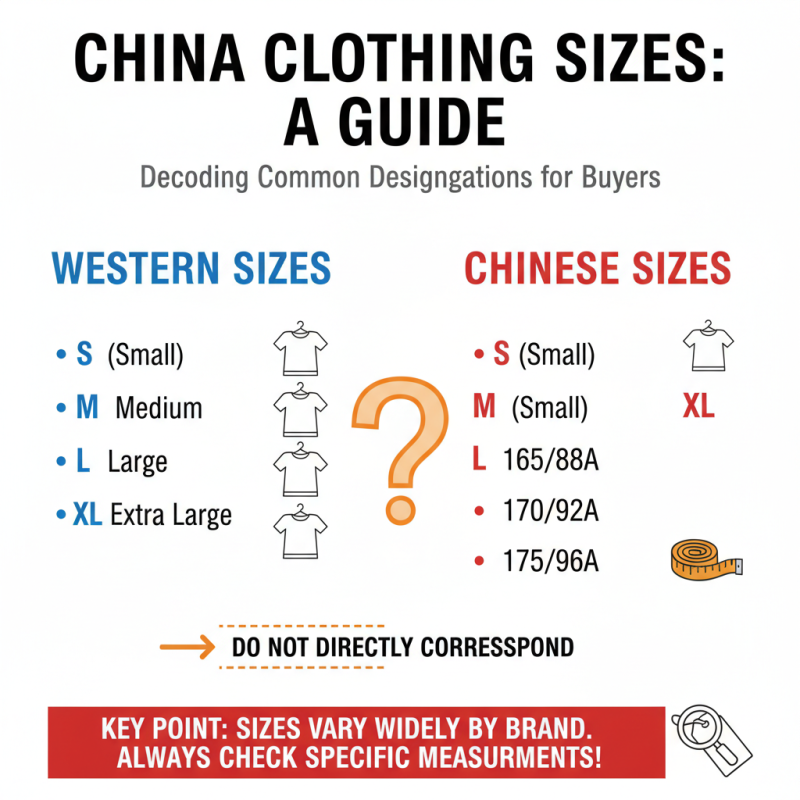
China's apparel size labeling system can be complex for international buyers. It's essential to understand how sizes correspond to measurements. For example, a Chinese size L might differ significantly from a Western L. This discrepancy arises from various factors, including regional differences and body type variations.
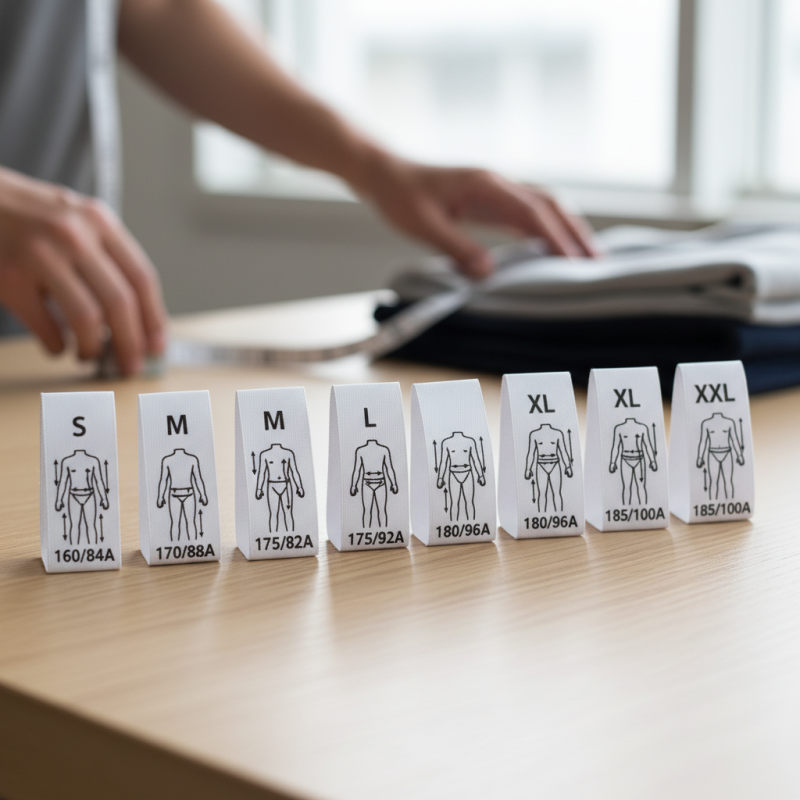
Additionally, understanding the labels helps avoid sizing errors. Typically, labels may include measurements in centimeters. For instance, a label might state 175/96, indicating height and chest size. Buyers should pay close attention to these figures. They inform better decisions on fit and comfort.
There is often a gap in knowledge regarding local standards. Not all products conform to a universal sizing guide. Shoppers may discover that a popular size is not available in every style. This inconsistency could lead to frustration during the shopping experience. Engaging with local retailers can provide additional insights into size specifics. This approach allows buyers to navigate the complexities more effectively.
Common Size Designations in China’s Clothing Industry
In China, clothing size labels differ significantly from those in Western countries. The common size designations include S, M, L, XL, and their numeric counterparts. However, these sizes can vary widely across different brands and manufacturers. Understanding these distinctions is crucial for buyers catering to local markets.
Some brands may label their garments with numeric sizes like 160/84A or 170/92A. Here, the first number indicates height in centimeters, while the second represents the bust or chest size. This method may confuse those unfamiliar with the system. It reflects cultural differences in sizing standards.
Additionally, the lack of uniformity creates challenges. One piece labeled as a size M from one company might fit differently from another's. Buyers must test garments for fit. Relying solely on labels might not guarantee satisfaction. This inconsistency highlights the importance of thorough research and measurement when selecting apparel for the Chinese market. Understanding local sizing ensures better customer experience and reduces return rates.
Regional Variations in Apparel Sizes Across China
Understanding regional variations in apparel sizes across China is essential for buyers. The vast landscape encompasses diverse body types influenced by regional diets, lifestyles, and genetic factors. For instance, reports indicate that northern regions tend to have larger average sizes compared to southern areas. A study published by the China National Textile and Apparel Council highlights these discrepancies, revealing that size standards can differ significantly from one province to another.
This means that size labels may not correspond accurately across the country. For example, a size M in Beijing could be perceived as a size L in Guangzhou. These differences are vital for apparel makers when sourcing materials and designing products. Accurate size labeling is crucial to avoid customer dissatisfaction, impacting sales and brand reputation.
Tips: Always check regional sizing charts before finalizing orders. Encourage customers to refer to specific measurements rather than general sizes when shopping. Engage with local suppliers to understand the nuances of sizing specific to their areas. This effort can enhance your market reach and customer loyalty substantially.
Regulatory Standards for Apparel Size Labels in China
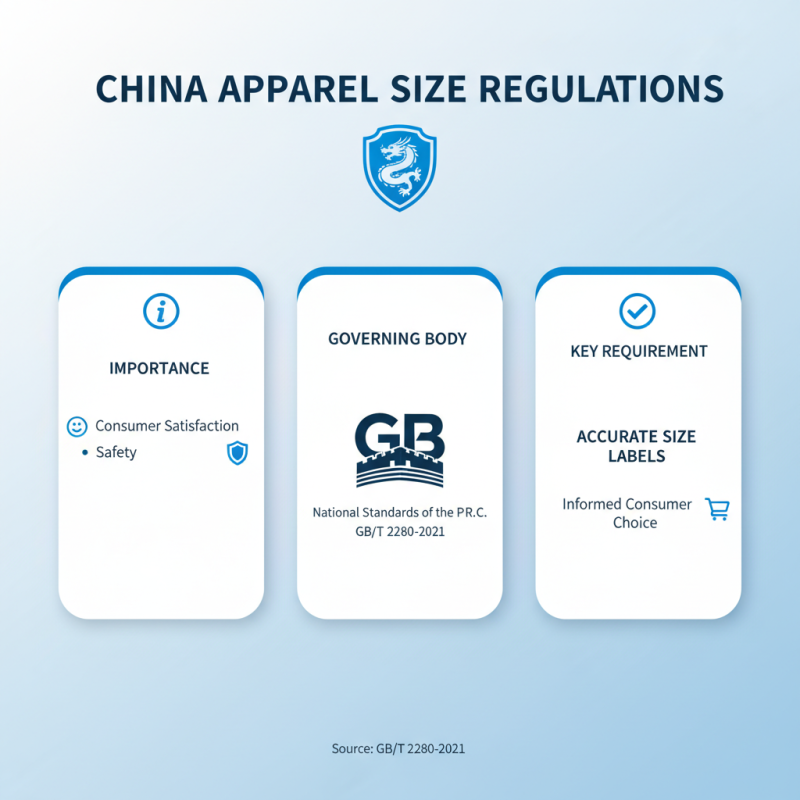
In China, apparel size labels are crucial for consumer satisfaction and safety. The regulatory standards are defined by the National Standards of the People's Republic of China. Brands must comply with GB/T 2280-2021, which outlines size labeling requirements. This standard ensures that consumers can make informed choices.
Labels must include accurate size information. They often feature both Chinese and international sizing systems. However, discrepancies in sizes can create confusion. For example, a medium size in China may differ from other countries. This inconsistency can lead to returns and dissatisfaction. Brands must ensure clarity in their labeling practices.
Moreover, the placement of size labels is vital. They should be easily visible. Many manufacturers overlook this detail, resulting in frustration for buyers. Proper labeling enhances trust and brand reputation. Companies need to stay updated on changes in regulations to avoid penalties. Regular auditing of size labels can improve compliance and consumer engagement.
Tips for Buyers: Navigating Size Labels Effectively
Navigating size labels in China can be tricky for buyers. Familiarity with local standards is crucial. Chinese apparel sizes often differ from Western systems. Knowing measurements in centimeters can save time and reduce returns. It’s essential to check both the label and the product description. Sizes may vary even within the same brand.
Buyers should pay attention to discrepancies between original and local sizing charts. Many sellers may provide conversions, but trust but verify. For instance, size 'L' in China might align with a 'M' elsewhere. Look for customer reviews that mention fit. This can provide valuable insights.
Always ask for samples before bulk orders. Sizes may look accurate on paper, but fabric types affect fit. Cotton stretches differently than blends. Keep in mind the target demographic. Age and body types can influence sizing norms. Adapting quickly to changes in local preferences can enhance your buying strategy.