Top Package Stickers Suppliers in China for Global Buyers?
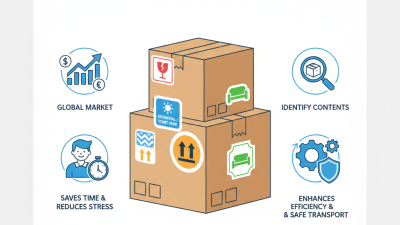
The packaging industry is evolving rapidly, with "Package Stickers" becoming essential for branding and identification. According to a recent report by MarketsandMarkets, the global market for packaging labels, including stickers, is projected to reach $60 billion by 2025. This growth indicates a strong demand for customized solutions in various sectors, especially among global buyers.
Industry expert Sarah Chen, a leading figure in packaging design, emphasizes, "Stickers are not just labels; they are a brand's voice." This quote underlines the importance of effective packaging in consumer engagement. As companies strive to enhance their product visibility, the choice of sticker suppliers becomes critical.
However, the challenge remains in sourcing reliable suppliers. Many buyers struggle to identify the best partners due to the sheer number of available options in China. Transparency and quality assurance are crucial. Companies must evaluate suppliers based on their experience and product standards. Engaging with experts can make a significant difference in navigating this complex landscape. The journey in finding the right "Package Stickers" supplier is filled with reflection and discovery.

Top Package Stickers Suppliers in China: An Overview of the Market
The package sticker market in China is vibrant and competitive. Numerous suppliers cater to a variety of needs, from custom designs to bulk orders. Buyers often seek quality and cost-effectiveness. However, not every supplier meets high production standards.
Many Chinese suppliers offer innovative solutions. They use advanced printing technologies and eco-friendly materials. Yet, some may overlook quality control, leading to inconsistent results. This inconsistency can be a challenge for buyers who expect reliability. Therefore, thorough research and communication are essential.
Buyers should consider suppliers' reputation and past projects. Reviews and case studies can provide insights into their reliability. Engaging in conversations with suppliers helps clarify capabilities. Ultimately, balancing cost with quality remains a key factor in selecting the right partner in the highly dynamic sticker market in China.
Top Package Stickers Suppliers in China
This chart provides an overview of the annual sales volume of various top package stickers suppliers in China. The data illustrates the comparative performance of these suppliers in the market.
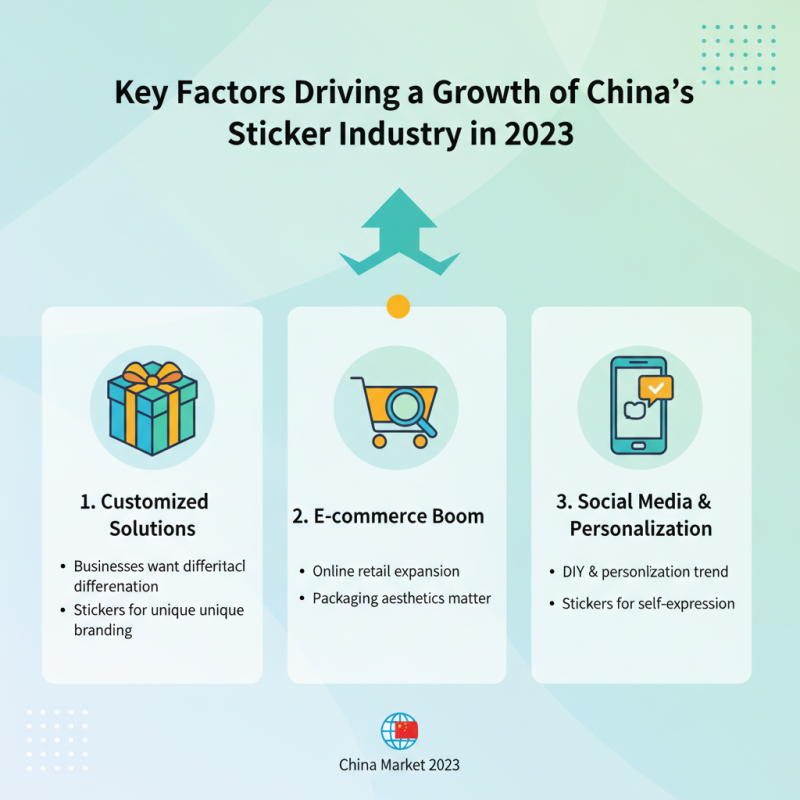
Key Factors Driving the Growth of China's Sticker Industry in 2023
The sticker industry in China is experiencing rapid growth in 2023. This surge is driven by several key factors. First, the rising demand for customized packaging solutions is prominent. Businesses want to differentiate their products. Attractive stickers play a crucial role in branding. They help create unique identities that stand out on shelves.
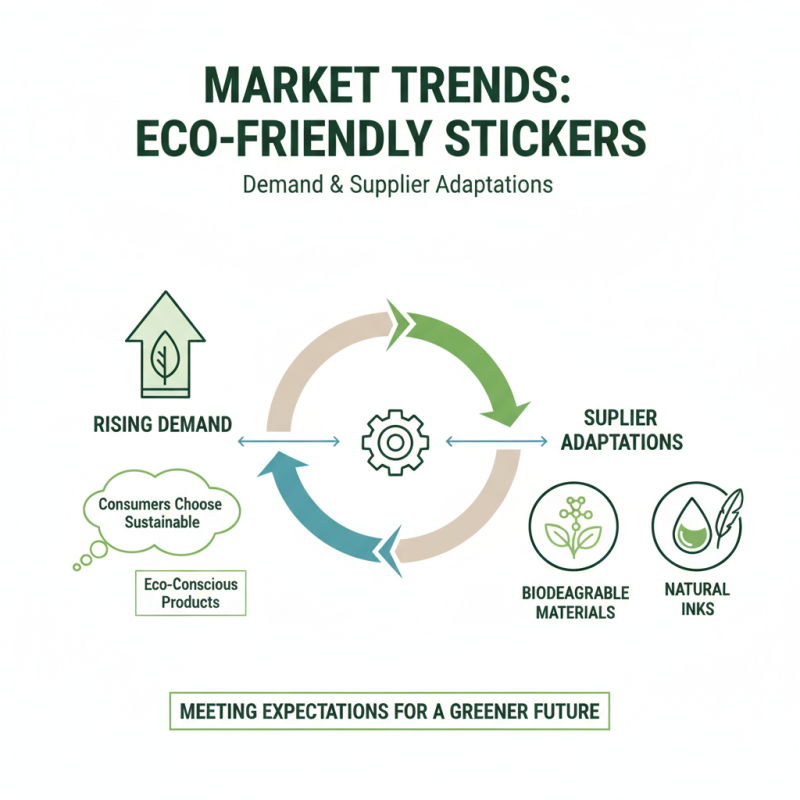
Moreover, advancements in printing technology enhance the quality of stickers. Companies can produce vivid colors and intricate designs efficiently. This capability meets the growing expectations of consumers. Furthermore, the push for sustainable practices is reshaping the market. Many suppliers focus on eco-friendly materials, appealing to environmentally conscious buyers.
However, challenges remain. The competition among suppliers is fierce. While many companies strive for innovation, some struggle to keep pace. There is also a need for more transparency in the supply chain. As global buyers seek reliable partners, addressing these issues will be essential. Collaboration and common standards could help enhance trust in the industry.
Leading Suppliers of Packaging Stickers: A Comparison of Quality and Price
When sourcing packaging stickers from China, quality and price are paramount for global buyers. Numerous suppliers claim to offer top-notch products, but evaluating their offerings can be challenging. Consider aspects such as material quality and print accuracy when making comparisons. Some suppliers use durable vinyl, while others opt for cost-effective paper. This difference can significantly impact sticker longevity and overall appearance.
Price varies widely among Chinese suppliers. Some may offer low-cost options that sacrifice quality, while others maintain a balance between price and durability. Conducting thorough research is essential. Many buyers have found that investing a bit more in higher-quality stickers pays off in the long run. Feedback from previous customers can also provide insight into a supplier’s reliability.
It is important to recognize that not all suppliers will meet expectations. Some may struggle with production times or fail to deliver consistent quality. Scrutinizing reviews and requesting samples can help mitigate risks.
Balancing cost with quality demands careful consideration. Opting for the cheapest option might lead to disappointment in the finished product. Thoughtful evaluations are critical in selecting a reliable supplier for your packaging stickers.
Challenges Facing Global Buyers When Sourcing from Chinese Suppliers
Sourcing packaging stickers from China offers great opportunities. However, global buyers face numerous challenges that can complicate the process. One major issue is language barriers. Miscommunication can lead to misunderstandings in design specifications and product quality.
Furthermore, navigating Chinese regulations presents difficulties for foreign companies. Different standards and certifications can create confusion. This uncertainty often results in delays and additional costs. Buyers must take extra steps to verify supplier reliability.
Quality control is another significant concern. Some suppliers may not meet international standards. Conducting factory audits can be costly and time-consuming. Yet, it is essential for ensuring product quality. Buyers should also consider shipping logistics. Long lead times and unexpected fees can disrupt plans. Exploring these challenges is vital for successful sourcing from China.
Top Package Stickers Suppliers in China for Global Buyers
| Supplier Type |
Average Lead Time (Days) |
Minimum Order Quantity |
Quality Certifications |
Export Experience (Years) |
Common Challenges |
| Manufacturer |
30 |
500 |
ISO 9001, SGS |
10 |
Language Barrier, Quality Assurance |
| Trading Company |
15 |
300 |
CE, RoHS |
5 |
Price Fluctuation, Delivery Delays |
| Wholesaler |
20 |
1000 |
FDA, BSCI |
8 |
Understanding Regulations, Long Payments |