How to Understand Clothing Size Labels for Perfect Fit?
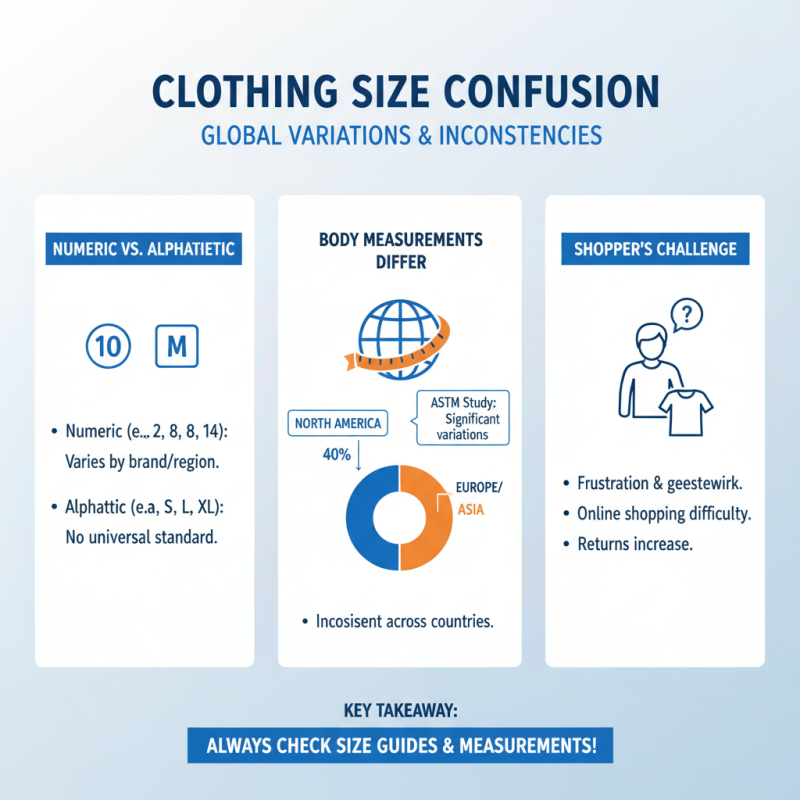
Understanding clothing size labels is crucial for achieving the perfect fit. According to a 2022 report by the Fashion Institute of Technology, nearly 66% of consumers struggle with inconsistent sizing across brands. This inconsistency leads to frustration and confusion in the fitting room. Experts emphasize that proper knowledge of clothing size labels can significantly enhance the shopping experience.
Dr. Elena Mirchandani, a renowned expert in fashion sizing, states, “Size labels are not just numbers; they reflect a brand's unique sizing standard.” Her insights remind us that many brands employ different fitting models, resulting in variations even within the same size category. As a result, a size medium in one label might be a small in another.
Reflecting on our experiences, many shoppers find themselves puzzled by these discrepancies. The necessity for a standard sizing system looms larger than ever. Ultimately, understanding clothing size labels is not just about a number. It's about elevating one’s confidence and feeling comfortable in one's skin. Advocating for change in the industry starts with awareness.
Understanding the Basics of Clothing Size Labels
Understanding clothing size labels is essential for finding the perfect fit. Size labels can be confusing. They vary by country, brand, and style. According to a study by the ASTM International, over 70% of consumers wear the wrong size. This leads to dissatisfaction and increased returns.
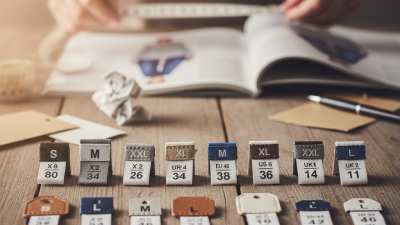
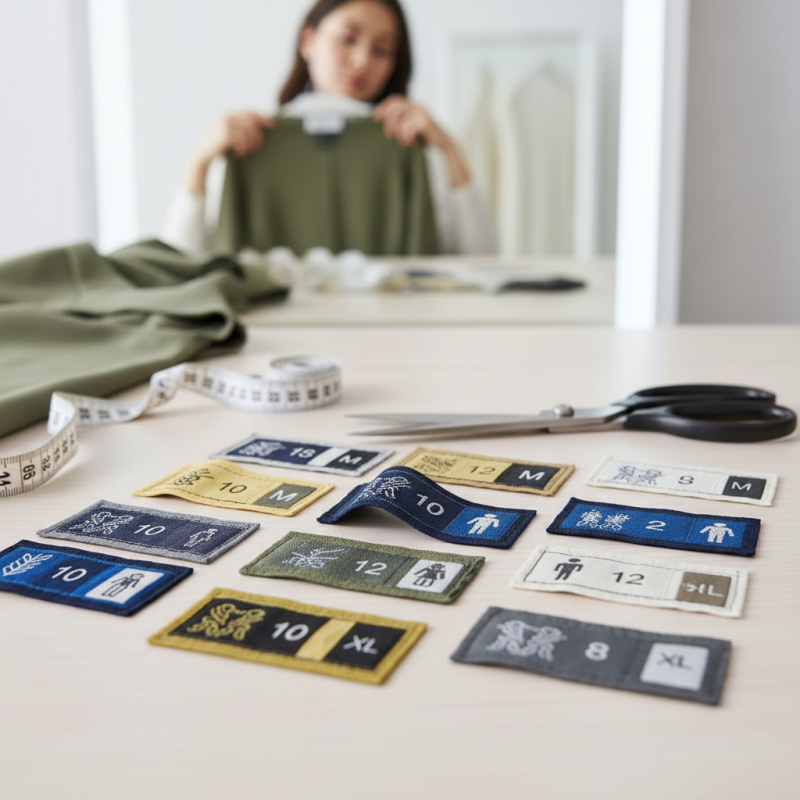
Most size labels commonly use letters like S, M, L, or numbers. However, there's no universal standard for these sizes. A size "M" from one brand may fit differently than another. Take measurements of your bust, waist, and hips. Compare them with size charts provided online. This practice can help you make informed choices when shopping.
Tips: Always check the specific sizing chart for the brand before purchasing. If you're between sizes, choose the larger one. Remember, fit varies between styles. A relaxed fit may feel different than fitted clothing. Don't hesitate to try different sizes.
When shopping, reflect on the cut and fabric. Each can significantly impact how a garment fits. For example, a t-shirt in cotton may fit differently than one in a polyester blend. Paying attention to these details can prevent wardrobe malfunctions and result in a more enjoyable shopping experience.
How Sizing Standards Vary Among Different Brands
Clothing size labels can be confusing. Different brands often have their own sizing standards. Research shows that 70% of consumers purchase the wrong size. This can result from variations in size charts, fit preferences, and production inconsistencies. Understanding this is essential for finding the perfect fit.
One study revealed that a size 8 in one brand may not equal a size 8 in another. For instance, a size Medium might range from 36 to 38 inches in bust measurement. This discrepancy is not uncommon. Many shoppers report frustration when trying to find the right size. Sizing differences across brands create barriers, often requiring consumers to try multiple sizes.
In a world where online shopping is prevalent, this issue worsens. Myriad factors complicate returns. About 30% of online orders are returned due to sizing issues. It’s vital for shoppers to research size guides and reviews. Reflections on personal measurements can help. Yet, many still rely solely on the label. This can lead to misfits and disappointment. Understanding these nuances is crucial for achieving a satisfactory purchase.
Decoding Numeric and Alphabetic Size Labels
Navigating clothing size labels can be tricky. Numeric and alphabetic labels vary greatly across brands and regions. A study by the American Society for Testing and Materials (ASTM) found that body measurements differ significantly among countries. This inconsistency leads to confusion for many shoppers.
Numeric sizes often range from 0 to 24, while alphabetic labels include S, M, L, and more. According to the SizeUSA report, more than 60% of consumers wear sizes that don’t match standard labels. This shows that a “medium” in one brand can feel vastly different in another. It's crucial to try on clothes before purchasing, as sizes can be deceptive.
A 2020 survey by the International Journal of Fashion Design revealed that 72% of shoppers reported difficulty finding their perfect size. Think about that when you shop. Many people end up frustrated and overwhelmed. Sizing is not a one-size-fits-all concept. Reflecting on this might help you make better choices next time. And remember, always check the sizing chart before buying.
Tips for Measuring Yourself Accurately for a Perfect Fit
Understanding clothing size labels can be perplexing. Accurate measurements are the foundation of a perfect fit. According to industry reports, nearly 70% of shoppers wear the wrong size. This leads to frustration and wasted time.
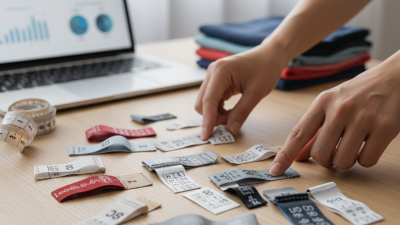
To begin, use a soft measuring tape. Stand straight, with your feet together. Measure your bust, waist, and hips. The bust should be measured at the fullest point. For the waist, find the natural crease and measure there. Hips should be measured at the widest part. Many overlook the importance of taking these measurements in front of a mirror. This helps ensure accuracy.
It's also vital to remember that body shapes vary widely. One size does not fit all. A study found that up to 85% of women reported inconsistent sizing across brands. This inconsistency highlights the need for personalized measurements. After measuring, write down your sizes and compare them with size charts. Avoid relying solely on size labels. Always trust your measurements. Recognizing these nuances can make a difference in your shopping experience.
Interpreting International Size Conversion Charts
Understanding clothing size labels can be tricky. Sizes vary dramatically between countries. For example, a size 8 in the U.S. might not be the same in Europe or Asia. This variability can lead to confusion when shopping internationally. Many people have experienced the frustration of ordering clothes online that don't fit as expected.
To make sense of this, international size conversion charts become essential tools. These charts provide a reference point for translating sizes across regions. Knowing your measurements in inches or centimeters can help you interpret these charts more accurately. However, not all brands use the same sizing system, even within the same country. This inconsistency can lead to uncertainty and disappointment when trying on new clothes.
Finding the perfect fit often requires patience. It's not uncommon to find that size labels don’t tell the full story. Some items may run larger or smaller than expected. Trying on multiple sizes can be necessary. Relying solely on numbers can be misleading. Therefore, understanding your body shape and preferred fit is crucial. Remember, the journey to the perfect fit is a personal one.
How to Understand Clothing Size Labels for Perfect Fit? - Interpreting International Size Conversion Charts
| Region |
Numeric Size |
Label Size |
Chest (inches) |
Waist (inches) |
Hip (inches) |
| USA |
6 |
S |
34 |
26 |
36 |
| UK |
8 |
M |
34 |
28 |
38 |
| EU |
38 |
36 |
34 |
28 |
38 |
| AU |
10 |
M |
35 |
29 |
39 |
| JP |
7 |
M |
33 |
27 |
37 |