2026 Top Stickers for Packaging Box Trends to Watch Out For?
As the packaging industry evolves, staying updated on trends is crucial. One of the most impactful tools in packaging is stickers for packaging box. These stickers not only enhance the aesthetic appeal but also communicate branding effectively. In 2026, several sticker trends will dominate, shaping how brands present their products.
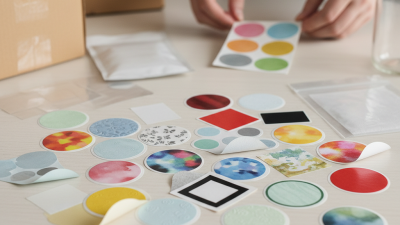
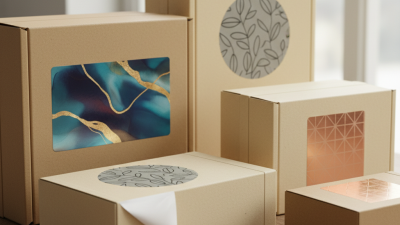
Today, sustainability matters more than ever. Eco-friendly materials are on the rise. Many brands seek biodegradable or recyclable stickers for packaging box. This aligns with consumer preferences for environmentally responsible choices. Additionally, vibrant colors and unique designs catch the eye. Brands often experiment with textures and finishes to stand out on the shelf.
Conversely, relying heavily on trends can backfire. What works today may not resonate tomorrow. Brands must balance creativity with authenticity. A deep understanding of your audience is needed. Otherwise, the packaging may miss the mark. Embracing trends is important but reflecting on their long-term impact is vital. The world of stickers for packaging box is dynamic, but thoughtful engagement leads to lasting success.
2026 Emerging Aesthetic Trends in Packaging Stickers
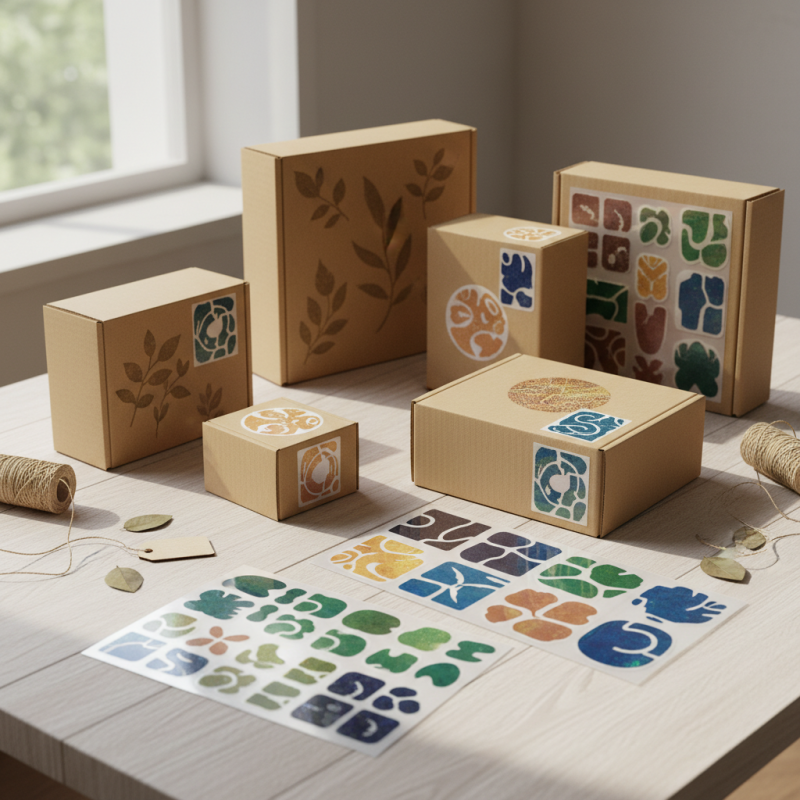
As we look towards 2026, the packaging industry is witnessing a shift in aesthetic trends, particularly in the realm of stickers. One notable trend is the move towards sustainable materials that enhance visual appeal while being environmentally responsible. According to recent industry reports, 64% of consumers prefer packaging that uses eco-friendly stickers. This highlights an ongoing demand for innovation and ethical practices in branding.
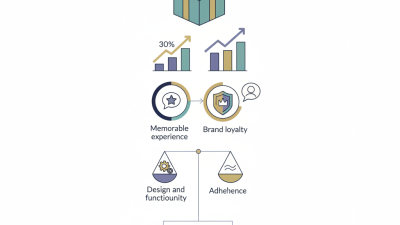
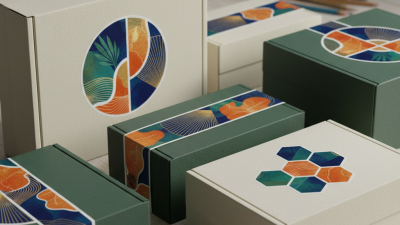
The use of bold colors and tactile finishes is also gaining traction. Textured stickers and vibrant hues not only attract attention but also create a sensory experience for consumers. Research indicates that products with attractive stickers can increase sales by up to 30%. It's crucial for brands to leverage these aesthetic elements to stand out on shelves.
Tips: Consider experimenting with biodegradable materials for sticker production. Engaging storytelling through design can elevate brand identity. Regularly reviewing the evolving preferences of your target market can provide valuable insights into effective sticker designs. The journey ahead requires flexibility and an openness to market shifts, as consumer tastes continue to change rapidly.
Eco-Friendly Materials: Sustainability in Sticker Production
Eco-friendly materials are becoming essential in sticker production. Brands increasingly choose sustainable options. These materials reduce environmental impact while still being visually appealing. From recycled paper to soy-based inks, there are various choices available. Non-toxic and biodegradable stickers are becoming more common. This shift benefits the earth and attracts eco-conscious consumers.
The production process also plays a significant role. Companies are re-evaluating their methods, aiming for less waste. Some are investing in renewable energy sources. Others are finding innovative ways to minimize resources. Feedback from consumers helps shape these strategies. Yet, not every initiative is perfect. Some eco-friendly materials may not perform as well as traditional options. Consumers might notice differences in durability and adhesion.
As the market evolves, it's vital to balance sustainability and functionality. The journey to completely eco-friendly sticker production is ongoing. It requires continuous improvement and adaptability. This shift reflects a growing awareness of packaging's role in sustainability. Companies must embrace both eco-friendly materials and consumer needs to succeed.
2026 Top Stickers for Packaging Box Trends to Watch Out For
| Sticker Type |
Material |
Sustainability Rating |
Usage Scenario |
Estimated Market Growth (%) |
| Recyclable Stickers |
Paper |
High |
Eco-Friendly Packaging |
20% |
| Biodegradable Stickers |
Cornstarch |
Very High |
Food Packaging |
30% |
| Plant-Based Stickers |
Sugarcane |
High |
Cosmetic Packaging |
25% |
| Recycled Paper Stickers |
Recycled Paper |
High |
Retail Packaging |
15% |
| Water-Based Adhesive Stickers |
PVC-Free Vinyl |
Moderate |
Product Branding |
10% |
Interactive Stickers: Engaging Consumers Through Technology
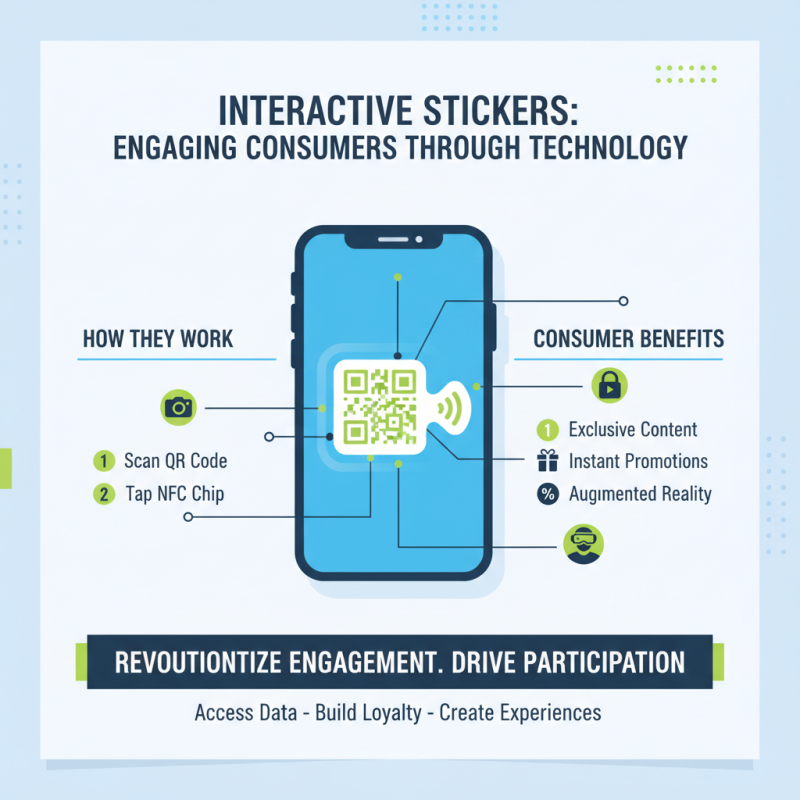
Interactive stickers are revolutionizing the way brands engage with consumers. These stickers use technology to create an immersive experience. By incorporating QR codes or NFC chips, brands can connect with customers instantly. This encourages active participation in marketing campaigns. As consumers scan or tap these stickers, they can access exclusive content, promotions, or even augmented reality experiences.
The effectiveness of interactive stickers lies in their ability to blend the physical and digital worlds. A simple sticker can transform into a gateway that leads to a website, social media page, or digital game. However, not every effort at engagement is successful. Sometimes, users may find the technology intimidating or confusing. Simplicity is crucial in design. If a sticker feels too complicated, potential customers may avoid it altogether.
As brands explore this trend, they must be careful to ensure user-friendly experiences. Feedback from consumers can guide improvements. Understanding what engages the audience is key. As these interactive stickers evolve, the challenge will be to balance creativity with accessibility. The future of packaging will likely lean heavily on technology, but not all innovations will resonate. The industry needs to stay adaptable and responsive.
Customization: The Shift Towards Personalized Packaging Solutions
Customization in packaging has become more than just a trend; it is now a critical business strategy. A report by Smithers predicts that the global market for custom packaging will reach $1 billion by 2026. This shift is influenced by evolving consumer preferences. Today’s buyers often seek products that reflect their individuality. Personalized packaging not only enhances brand loyalty but also drives sales.
In a recent survey, 70% of consumers expressed a preference for brands offering customized experiences. This highlights the demand for solutions that cater to personal tastes. Brands are exploring innovative designs. They are using stickers as a powerful tool to express uniqueness. Stickers can convey messages, showcase artwork, or feature QR codes. This adds an interactive element, engaging customers on a deeper level.
However, challenges exist in this space. Production costs for customization can be higher. Additionally, achieving a balance between personalization and sustainability is complex. Many brands grapple with sourcing eco-friendly materials. The solutions need to be both innovative and responsible. It's essential for brands to reflect on these aspects as they move forward.
Minimalism vs. Maximalism: Contrasting Design Approaches in Stickers
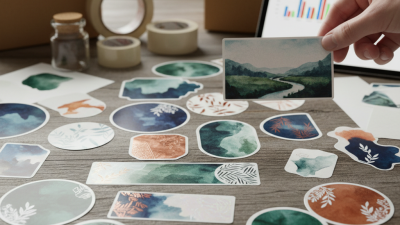
The design world often wrestles between minimalism and maximalism. Minimalism in sticker design favors clean lines, limited colors, and essential elements. This approach aims to create clarity, allowing the message to shine. Think of simple geometric shapes or monochromatic palettes. These designs can evoke calmness and sophistication. However, minimalism can sometimes come off as uninspired or too basic. It might not resonate emotionally with all audiences.
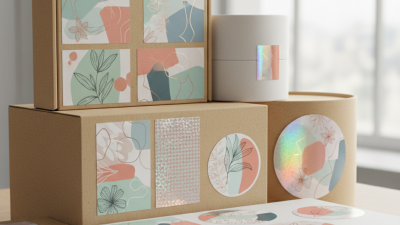
In contrast, maximalism embraces bold colors, intricate patterns, and layered textures. This style demands attention and makes a statement. Stickers designed with maximalism can evoke strong feelings, drawing consumers into the brand's narrative. The risk? Such designs can easily overwhelm or confuse. Too much visual noise can detract from the core message. Balancing these two approaches is crucial. Brands must consider their identity and how these designs reflect their values. Each choice impacts how the product is perceived in the marketplace.
2026 Top Stickers for Packaging Box Trends to Watch Out For