2026 Best Apparel Size Labels for Global Buyers?
The global apparel market is projected to reach $2 trillion by 2026, highlighting the increasing demand for diverse apparel products. A key factor driving this growth is the significance of Apparel Size Labels in meeting consumer expectations. Accurate sizing fosters customer satisfaction and reduces the rate of returns, which averaged 30% in the online clothing sector in 2022 according to industry reports.
In an era of customization and variety, Apparel Size Labels are not just functional but essential. Brands that prioritize accurate labeling gain a competitive edge. However, sizing inconsistencies remain a challenge. A considerable number of consumers report issues with fit, underlining the need for standardization. Additionally, labels that accommodate varied markets can enhance brand loyalty and trust.
The importance of Apparel Size Labels extends beyond simple dimensions. These labels communicate brand values and quality assurance to the end consumer. Companies must address sizing challenges to enhance user experience. Failing to adapt can lead to lost sales and dissatisfaction. As we approach 2026, brands need to reconsider their labeling strategies to align with global consumer needs.

Understanding Global Apparel Size Standards
Understanding global apparel size standards is essential for both manufacturers and consumers. Size charts can vary significantly from one region to another. For instance, a size 8 in the United States may not match the same measurement in Europe. This disparity can lead to confusion when buying clothes internationally.
The lack of uniformity in sizing can frustrate shoppers. Some labels may not even offer measurements, relying solely on vague sizing terms. This can make returns difficult and time-consuming. Consumers should take the time to understand conversion charts, and brands must provide clear sizing information. This fosters trust with buyers.
Moreover, even with standardized charts, every body is unique. Different brands may have slightly contrasting fits for the same size. This variability can lead to challenges in finding a perfect match. Shoppers often need to try on various styles before finding what works best for them. Understanding size standards does not guarantee a seamless shopping experience, but it can help manage expectations.
Key Factors Influencing Apparel Size Labeling
Choosing the right apparel size label is vital for global markets. Size standards vary worldwide, impacting consumer satisfaction. According to a study by the International Textile and Apparel Association, mismatched sizes lead to a significant increase in return rates—up to 30% in some regions. Shoppers prefer clothing that fits properly. Accurate labeling boosts brand loyalty.
Cultural differences also play a crucial role. In Asia, a size medium can differ greatly from that in Europe or North America. A report from the International Organization for Standardization highlights that 60% of consumers are confused by inconsistent sizing. This confusion affects purchase decisions, leading to frustration. Size charts must be clear and easily accessible.
Technological advancements provide new solutions. Virtual fitting rooms and AI-driven size recommendations are emerging trends. Despite these innovations, companies may still struggle to achieve universal size standards. Continuous feedback from consumers is essential for improving label accuracy. Addressing these issues will enhance the overall shopping experience, reducing waste and increasing sustainability.
Top Apparel Size Labels Used Worldwide
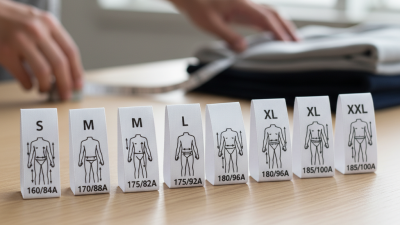
When it comes to apparel size labels, accuracy and consistency are critical. Different regions use varying sizing systems, leading to confusion for global buyers. In many countries, size labels might differ between women’s, men’s, and children’s clothing. This makes it challenging to determine the right fit from one country to another.
Global buyers often face issues due to these discrepancies. For example, a size medium in one country may equate to a large in another. This inconsistency can result in returns, which impacts both brands and consumers. Many brands work to create universal sizing charts, but not all succeed.
An effective solution is using dual labeling. Combining local size standards with international equivalents can alleviate confusion. However, not every brand implements this strategy. The industry still needs to address sizing issues more holistically. It's essential for brands to gather feedback on how their sizing is perceived worldwide. Understanding local market expectations can lead to improvements in size labeling practices.
Trends in Size Labeling for International Markets
In 2026, the global apparel market is seeing significant shifts in size labeling. As international buyers seek to understand clothing dimensions better, the need for standardized size labels grows. Many countries have different sizing systems, leading to confusion. Consistency in labeling can enhance the shopping experience for consumers worldwide.
The trend towards inclusive sizing is also notable. Brands are increasingly recognizing diverse body shapes and sizes. However, a one-size-fits-all approach can lead to misunderstandings. Brands must communicate clearly about their sizing standards. The challenge remains in balancing global standards with local preferences. Feedback from consumers can help refine these sizing systems.
Labels must not only inform but also connect with customers. Clear, reliable information builds trust. Yet, there may be oversights in translations or measurements. This can impact consumer satisfaction. Continual improvement in labeling practices can address these issues. Engaging with buyers and gathering insights is crucial. The future of size labeling relies on adaptability and responsiveness to consumer needs.
2026 Best Apparel Size Labels for Global Buyers
Best Practices for Implementing Size Labels in Apparel Business
When implementing size labels in the apparel business, clarity is key. Effective communication of sizing can enhance customer satisfaction. Labels must be legible and intuitive, using universally understood symbols where possible. Consider the cultural differences in sizing standards globally. This can impact how your labels are perceived.
Tips: Always test labels with real consumers. Gather feedback on the clarity and ease of understanding. Regular updates based on customer input can improve designs significantly.
Incorporating various sizing systems can also be beneficial. For example, including both metric and imperial measurements caters to a broader audience. Reflect on past mistakes; labels that confused customers led to increased returns.
Using quality materials for labels will enhance durability. Ensure that the labels are comfortable against the skin. It’s essential to balance practicality with aesthetics.