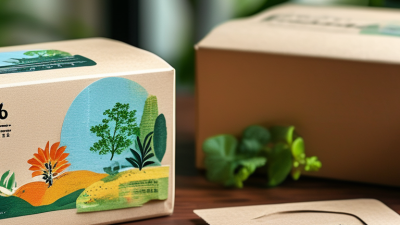
How to Choose the Best Package Stickers for Your Business?
In today's competitive market, choosing the right Package Stickers for your business is crucial. According to a recent industry report, 74% of customers are influenced by product packaging, highlighting the power of visual appeal in consumer decision-making. Package Stickers serve as a vital component in branding and marketing strategies. They can effectively communicate your brand's identity and message, often being the first point of interaction with potential customers.
Finding the best Package Stickers involves consideration of various factors, including material, design, and sustainability. Studies show that 67% of consumers prefer brands that are eco-conscious. In this context, selecting environmentally friendly materials can enhance your brand’s reputation. However, businesses often overlook the importance of durability. Stickers that fade or peel can damage your brand image.
Ultimately, the right Package Stickers can elevate your product and strengthen customer loyalty. Yet, many businesses rush this decision. Investing time and resources in understanding market trends and consumer preferences is essential. Balancing aesthetic appeal with functionality will ensure your Package Stickers contribute positively to your overall marketing efforts.
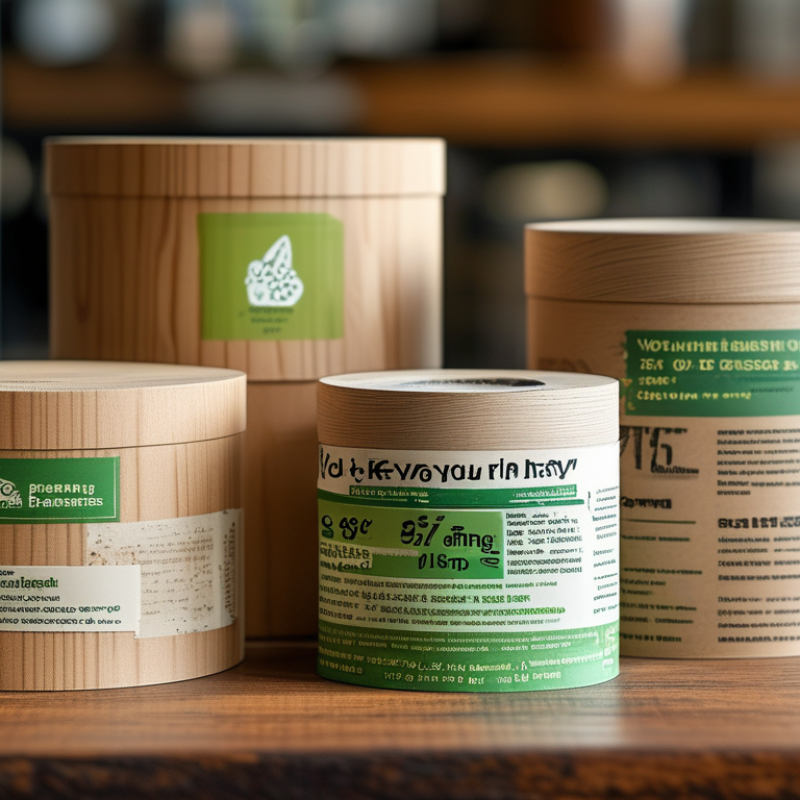
Understanding the Importance of Packaging Stickers for Your Business
Packaging stickers play a vital role in branding and marketing. They are often the first point of contact for potential customers. A well-designed sticker can catch the eye and convey a message in seconds. This quick impression can lead to increased sales and customer loyalty.
The importance of packaging stickers cannot be overstated. They provide essential product information, such as ingredients and instructions. Stickers can also enhance the aesthetic appeal of a product. However, not all designs are effective. For some businesses, the stickers may not align with their brand identity or may be difficult to read. This mismatch can confuse customers and harm sales.
Choosing the right packaging stickers requires careful thought. Consider your target audience and the overall brand message. Some stickers might be too flashy or too plain. Test different designs to see what resonates. Reflect on past experiences; perhaps a specific color or font did not work as intended. Understanding your audience's preferences is key to success.
Identifying Your Target Audience and Their Preferences
Understanding your target audience is crucial when selecting package stickers. Consider their demographics, such as age, gender, and interests. Are they millennials seeking trendy designs or older consumers who prefer classic styles? Knowing these details helps in creating appealing designs.
Next, examine their preferences regarding colors and themes. Conduct surveys or engage on social media to gather feedback. Some audiences may favor bright, bold colors, while others may lean toward muted tones. Pay attention to seasonal trends, as these can influence preferences.
Listening to your audience is part of the process. You might find unexpected insights through open-ended questions. Their suggestions can guide your design choices. While striving for the perfect sticker, remember that imperfection can also resonate. A sticker with a handmade aesthetic might appeal to a niche market looking for authenticity.
Exploring Different Types of Packaging Stickers
When exploring different types of packaging stickers, it's crucial to understand their unique characteristics. For instance, paper stickers are eco-friendly and easily customizable. They work well for products like food items or crafts. However, their durability can be a concern in humid environments. On the other hand, vinyl stickers offer better resistance to water and wear. This makes them suitable for outdoor products or beverages.
Another important aspect is adhesive quality. Removable stickers allow for flexibility, especially in marketing campaigns. They can be used for promotions without damaging the product surface. Permanent adhesive stickers have their place too. They provide a strong bond, ideal for labeling products that require a long-term presence. Reflecting on these choices can lead to better branding opportunities.
The design of a sticker also impacts its effectiveness. Colors and fonts must align with your brand's identity. Simplicity often yields better recognition. Yet, it's easy to overcomplicate a design with too many elements. Finding that balance can be challenging. Every business should assess its needs carefully before deciding on the type of packaging sticker.
Factors to Consider When Designing Your Stickers
When designing package stickers, several key factors can significantly influence their effectiveness. One essential aspect is the sticker’s size and shape. Industry data shows that 57% of consumers notice packaging stickers when they are eye-catching and unique. Different shapes can convey different messages; for instance, round stickers often suggest friendliness, while rectangular ones can denote professionalism. Consider how these characteristics align with your brand identity.
Color choice also plays a vital role. According to a study by the Institute for Color Research, color increases brand recognition by 80%. Using colors that resonate with your target audience can help capture their attention. However, a common oversight is relying too heavily on trends without considering brand consistency. Stickers that stray too far from established brand colors might confuse customers.
Lastly, the material of the sticker is crucial. Many businesses neglect this factor, leading to poor durability and customer dissatisfaction. Data suggests that around 30% of consumers will discard packaging with low-quality materials. Choosing a high-quality, eco-friendly material can not only improve longevity but also appeal to environmentally conscious consumers. Balancing aesthetics, quality, and brand alignment is challenging, but vital for impactful package stickers.
Evaluating Quality and Cost-Effectiveness of Sticker Options
When evaluating sticker options, quality directly impacts your brand’s image. High-quality stickers are durable, vibrant, and look professional. Consider materials like vinyl or glossy finishes. They ensure that colors pop and last longer, even in harsh conditions. Low-quality stickers may fray or fade quickly, detracting from their initial appeal. Testing samples before committing to a larger order is wise; this can uncover unexpected issues.
Cost-effectiveness is another critical factor. While higher-quality materials typically come at a premium, they can save money in the long run. Frequent replacements of inferior stickers can be more expensive. Analyze the lifespan of each option. Sometimes, a more expensive sticker may offer better value due to longevity. Compare quotes from various suppliers but focus on overall value rather than just price. It may be tempting to choose the cheapest option, but this can lead to regrets later.
Evaluate both quality and cost. This approach helps to avoid buyer's remorse and ensures your investment pays off. Look for trustworthy suppliers who provide transparent information about materials and production methods. This level of detail demonstrates a commitment to quality and reliability. Your stickers represent your business; make choices that reflect your values and standards clearly.