Top Stickers for Packaging Box Designs in 2026 Trends?
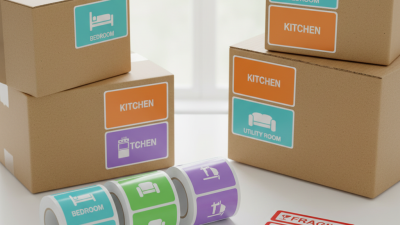
In the evolving landscape of packaging design, "Stickers For Packaging Box" play a pivotal role. As we approach 2026, trends are shifting toward more personalized and eco-friendly options. Brands are increasingly using stickers to express their identity and values. They enhance visual appeal and communicate messages effectively.
Consumers are drawn to unique packaging. Stickers allow for creativity while maintaining brand recognition. It's essential to consider the materials used in stickers. Sustainable options are becoming popular. They align with consumer preferences for eco-conscious choices. Brands can stand out with innovative designs and meaningful messages.
However, balancing creativity and practicality is challenging. Some designs may not translate well in production. It's crucial to test and iterate. Finding the right aesthetic that resonates with consumers is key. Stickers for packaging boxes are both an art and a science. Embracing this duality can lead to successful packaging strategies in the future.
Emerging Trends in Sticker Designs for Packaging in 2026
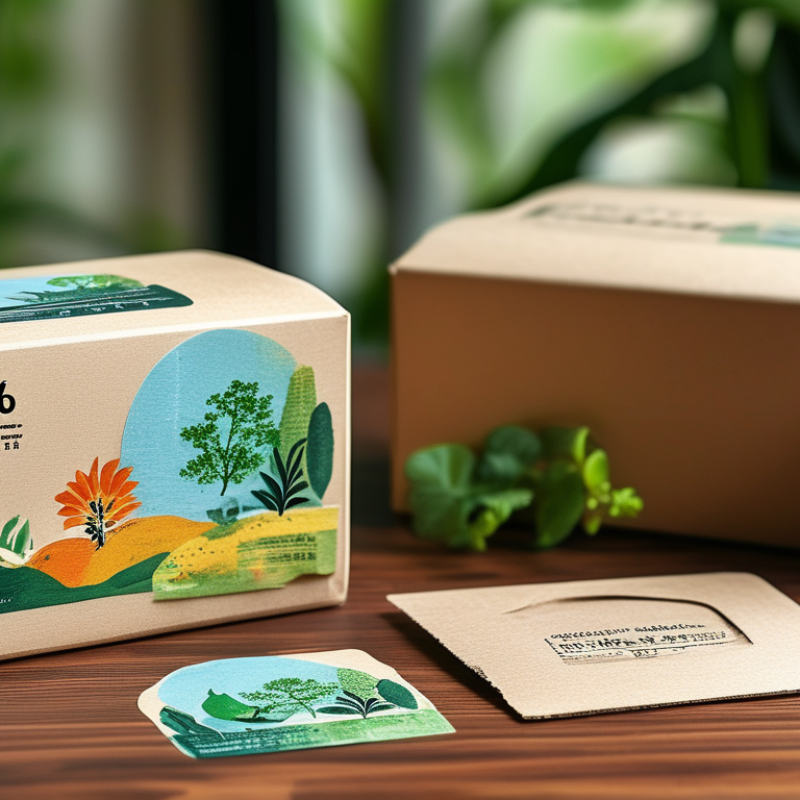
In 2026, packaging sticker designs will shift significantly. Minimalism will take center stage. Clean lines and simple images will define the aesthetic. This approach enhances clarity. It attracts attention while allowing the product to shine.
Another notable trend is the use of eco-friendly materials. Consumers increasingly prefer sustainable options. Stickers made from recycled or biodegradable materials will rise in popularity. Brands benefit from this alignment with environmental values. The tactile quality of these materials also invites touch, enhancing engagement.
Tips: Consider using shapes that break the mold. Unique structures can create visual interest. Additionally, think about color palettes carefully. Colors evoke emotions and help create brand stories. Keep testing and iterating your designs. Not every approach will work perfectly; learning is key.
Popular Materials for Packaging Stickers: Sustainability and Innovation
As we look ahead to packaging sticker trends in 2026, sustainability takes the spotlight. Research from the Packaging Sustainability Report indicates that 74% of consumers prefer eco-friendly materials. This shift is driven by a growing awareness of environmental issues. Brands are increasingly opting for plant-based and biodegradable materials. This choice aligns with consumer values, enhancing brand loyalty.
In recent years, innovative materials have emerged in packaging design. For instance, compostable films and recycled papers are gaining popularity. A study by Materials360 showed a 30% increase in demand for these materials from 2022 to 2026. These stickers not only reduce waste but also showcase creativity. Still, challenges remain in balancing cost and functionality. Many companies struggle with the higher price tags of sustainable options.
Moreover, the visual appeal of packaging stickers plays a crucial role. Unconventional textures and finishes enhance consumer experience. 65% of buyers report that unique packaging influences their purchasing decisions. Utilizing innovative designs can significantly impact product perception. However, brands must continually assess their choices. Striking the right balance between artistry and sustainability is an ongoing challenge in packaging design.
Color Palettes: What Will Define Sticker Aesthetics in 2026?
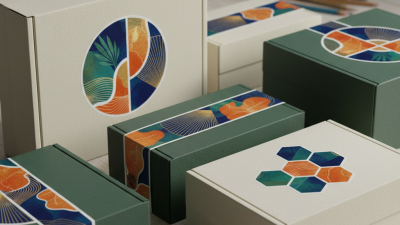
In 2026, sticker aesthetics for packaging will be shaped by fresh color palettes. Designers are leaning toward earthy tones, such as terracotta and olive green. These colors evoke a sense of nature and sustainability, resonating with eco-conscious consumers. Pastel shades are still relevant, offering a soft contrast. Vibrant hues like electric blue will add striking elements to packaging designs.
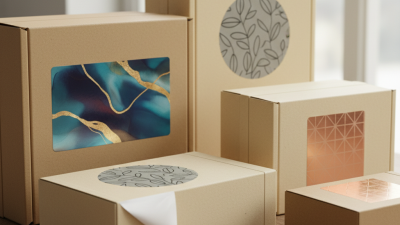
Metallic finishes are gaining popularity, adding a modern twist. Foil-embossed stickers bring a tactile experience that stands out.
Textured surfaces are appealing as well. They invite engagement and make the unboxing experience memorable. However, businesses must balance aesthetics with practicality. Some colors may not translate well across materials, leading to unexpected results.
Exploring color gradients is a trend worth considering. Blending colors smoothly creates depth, drawing the eye. Yet, finding the right blend can be challenging. Too many colors can overwhelm the design. Simplicity, along with thoughtful color choices, will be essential to successful sticker designs. Keeping up with these trends requires continuous reflection and adaptation.
Integration of Technology: QR Codes and Augmented Reality Stickers
The packaging industry is evolving rapidly, with technology stealing the spotlight. QR codes and augmented reality (AR) stickers are at the forefront of this transformation. A recent report from the Packaging Technology Institute indicates that engaging consumers through interactive packaging can increase brand loyalty by up to 70%. This trend is particularly evident in younger demographics, where 65% prefer brands that integrate technology into their products.
QR codes now serve multiple purposes. Consumers can scan them to access promotional content, view product demonstrations, or even engage in social media campaigns. A study published in the Journal of Packaging Science reveals that 81% of consumers find interactive packaging more appealing. However, not all brands utilize these tools effectively. Some QR codes are often overlooked or lead to dead links, resulting in missed opportunities.
AR stickers take this interactivity a step further, offering immersive experiences that enhance product storytelling. According to market analysis by TechNavio, the AR market in packaging is expected to grow at a compound annual growth rate of 24% through 2026. Yet, while engaging, this technology can be challenging to implement. Not all products suit an AR experience, and over-reliance on tech could alienate certain consumer segments. Balancing innovation with simplicity may become crucial.
Top Stickers for Packaging Box Designs in 2026 Trends
This chart illustrates the predicted trends in sticker types for packaging box designs in 2026. It highlights the integration of technology through QR codes and augmented reality stickers, showcasing their expected popularity in the market.
Cultural Influence: How Global Trends Shape Packaging Sticker Designs
Cultural influences play a pivotal role in shaping packaging sticker designs. As consumers become more globally connected, trends in one region often impact others. A recent report by Smithers Pira highlights that 75% of design innovations stem from cultural exchanges. In 2026, it's anticipated that these influences will become more pronounced as brands seek unique ways to engage their audience.
Designs are increasingly reflecting local traditions and global themes. For example, artisans from Africa may blend traditional motifs with modern aesthetics. According to a survey by Statista, 68% of consumers prefer products with cultural relevance in their packaging. This trend encourages brands to think beyond mere aesthetics and to consider the stories behind their designs. However, this approach is not without challenges. Companies must balance cultural authenticity with the risk of cultural appropriation.
Sustainability also weaves into this cultural narrative. Eco-friendly stickers are gaining traction. A 2023 study by Allied Market Research shows that 55% of buyers consider sustainable packaging crucial. This desire reflects a growing awareness of environmental issues shaped by global movements. Brands can leverage these insights, yet they must tread carefully. It is essential to avoid greenwashing and ensure genuine commitment to sustainability. Addressing these challenges will define brand success in the coming years.